
 Let’s Keep It Real
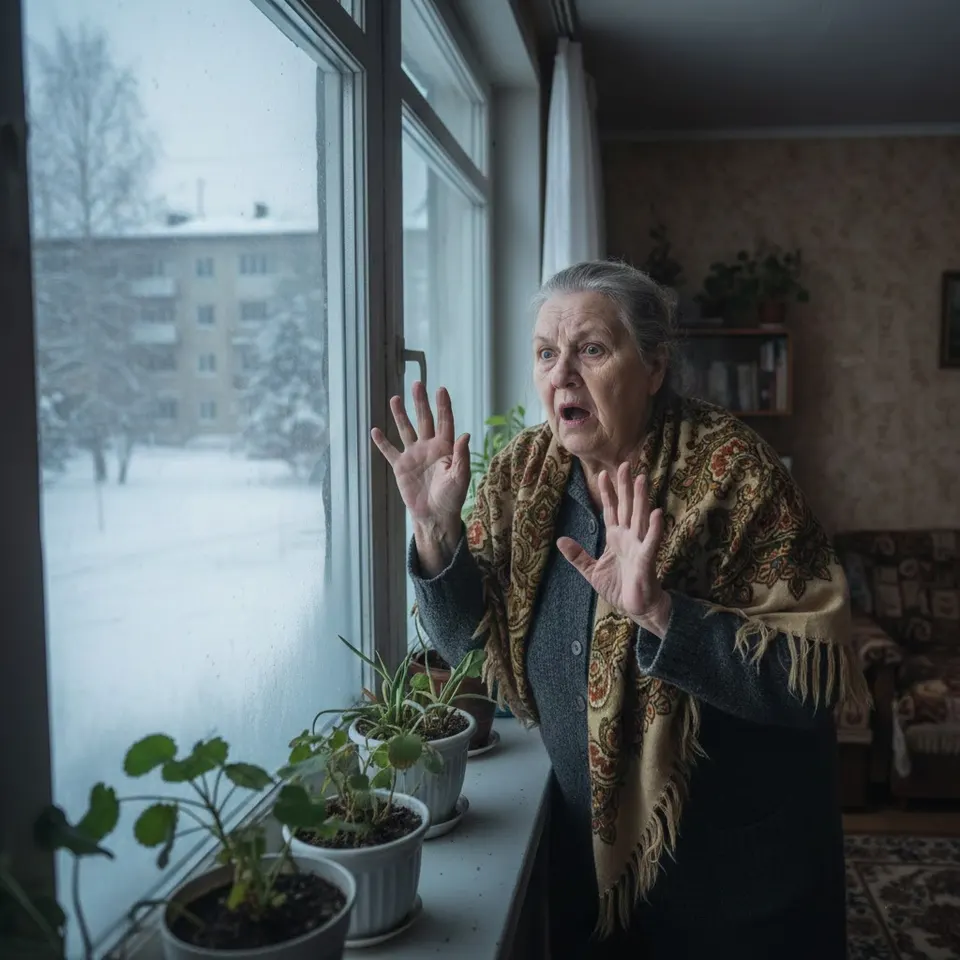
Every month, the young woman dutifully sent money to her mother-in-law, until one day she decided to put an end to it. A phone call caught her by surprise.
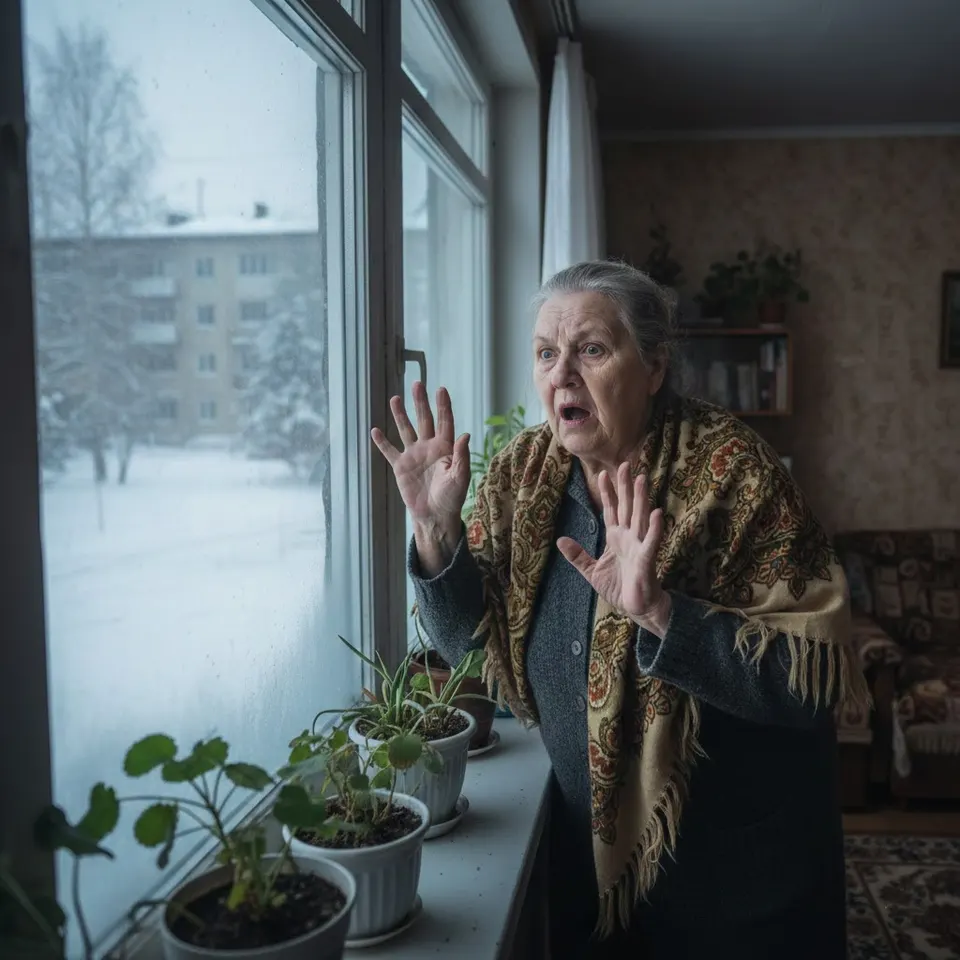
— Olya, dear, the transfer didn't arrive. Maybe there was some kind of error at the bank? Please check, — her mother-in-law said anxiously into the phone.
But instead of the usual apologies, she heard laughter and mysterious words:
— Look out the window. Do you recognize your son's suitcases? Now go outside, that's where the most interesting part is.
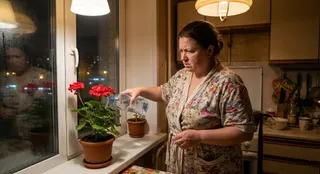
Olya woke up at six in the morning, as usual. It was still dark outside, but her day had already begun. She got up quietly so as not to wake her husband. Kirill could sleep until nine, and then lie in bed on his phone for another hour. While she was making coffee and preparing breakfast, numbers were spinning in her head: 35,000 for the mortgage and utilities, 12,000 for groceries, 8,000 for Kirill's gasoline, and another 15,000 — the monthly transfer to Tamara Lvovna, her mother-in-law.
Olya worked as a purchasing manager at a construction company. The salary was decent — 75,000. Kirill also earned something working remotely in IT, but his money seemed to vanish into thin air. When asked about expenses, he would answer evasively: "Everything's under control, don't worry." Olya stopped asking.
When they got married three years ago, Tamara Lvovna immediately made it clear who was the head of the family. On the second day after the wedding, she called and announced:
— Olya, dear, I've made a visiting schedule. On Sundays, you will come to my place for lunch. I'll write down what you need to cook.
Olya just smiled then. It seemed to her that it was temporary, that everything would settle down over time. But the schedule turned into a law.
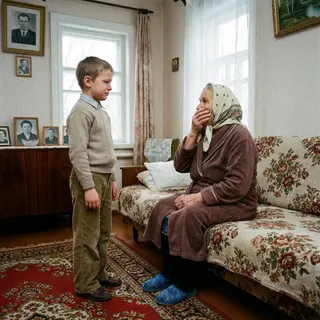
Tamara Lvovna lived alone in a three-room apartment in an old building on the outskirts of the city. Her husband had died ten years ago, and since then, her whole life had revolved around her son.
— My Kirillushka is special, — she liked to repeat. — He needs support. He's a creative person, not suited for everyday trifles.
For the first six months, Olya put up with it. She cooked according to her mother-in-law's lists, listened to lectures on how to properly fry cutlets and iron shirts. Tamara Lvovna would judge every dish, pursing her lips:
— Not enough salt. My mother used to do it differently. Write down the recipe.
Kirill ate in silence and didn't interfere. Sometimes he even agreed with his mother:
— Mom's right, Olya, you really should try it differently.
The real trials began when Tamara Lvovna retired. Her pension was small — a couple of thousand. She called Kirill and burst into tears on the phone. Olya heard snippets of the conversation:
— How am I going to live, Kirillushka? I don't even have enough for food. I raised you all by myself, I gave you everything.
In the evening, Kirill sat down at the table across from Olya. He had a guilty look on his face.
— Olya, Mom is having a hard time. We can't just abandon her, can we?
— What are you suggesting?
— Well, I was thinking, maybe we could help her out? At least a little, say, fifteen thousand a month.
Olya gave him a long look. "A little" was fifteen thousand, a fifth of her salary.
— Alright, — she said, — but you'll be the one transferring it, from your card.
— Of course, of course.
For the first two months, Kirill did indeed make the transfers. Then he somehow forgot, then forgot again. Tamara Lvovna started calling Olya directly:
— Olya, dear, Kirill probably forgot. He's so absent-minded. Could you?
Olya made the transfer. Once, then again. The third time, she realized it was now her responsibility. Kirill just shrugged:
— What difference does it make whose card it comes from? We're a family.
The family budget turned into a battlefield. Olya tried to keep track of expenses, but she was met with resistance every time. Kirill bought expensive gadgets, explaining they were for work. His mother demanded payment for her dentist, English courses, a new television.
— I'm not some stranger, — she would say, offended. — I'm the grandmother of your future children.
Olya didn't want children. Not now, not in this situation. But Tamara Lvovna regularly brought up the subject:
— The clock is ticking, Olya dear. You're already 28, and Kirill needs an heir.
One evening, Olya gathered all the receipts and statements from the last six months. She laid them out on the table in front of her husband. The numbers added up to a frightening picture. In six months, they had given Tamara Lvovna 107,000.
— Kirill, look. These are just the official transfers. And there were also urgent expenses: 8,000 for medicine, 15,000 for refrigerator repairs, 10,000 for her birthday. We give her more than we spend on ourselves.
Kirill frowned:
— So what are you suggesting? That we abandon my mother?
— I'm suggesting we set boundaries. A fixed amount — 15,000 a month. And that's it. No additional expenses.
He stood up from the table:
— You're heartless, Olya. I didn't think you were like this.
After that conversation, a silence fell over the house. Kirill pointedly only spoke to Olya when necessary. But he talked to his mother every day, for a long time and confidentially. Olya could hear him complaining about her:
— Mom, I don't know what's wrong with her. She's become so callous.
Tamara Lvovna was a virtuoso at guilt-tripping. She would call Olya with tears in her voice:
— I understand, I'm a burden to you. Maybe I should just go to a nursing home? At least there I won't be bothering anyone.
When that didn't work, she changed her tactics:
— You know, Olya dear, I understand everything. You just don't feel a family connection. You haven't given birth, so you can't understand a mother's heart.
That cut deep. Olya had indeed wanted a child once. But not in this marriage, not in this chaos of codependency. She felt less like a wife and more like a source of funding for someone else's family idyll.
Months went by. The situation didn't change. Olya transferred the money, cooked Sunday lunches, listened to reproaches and lectures. Something heavy and bitter was building up inside her. She started to think about divorce, but she always stopped herself: "What if it can be fixed? What if he understands?"
Everything changed in mid-November. Olya accidentally saw a conversation between Kirill and his mother. He had left his laptop open when he went to the store. She wasn't planning on spying, she just wanted to close the extra tabs. But a messenger window was glowing on the screen:
"Mom, don't worry. I'll talk to her about the apartment. We'll transfer it to my name, and then we'll decide."
Olya went cold. The apartment was hers. She had bought it before the marriage with her own money, saving for three years. Kirill had moved in with her right after the wedding. She scrolled up through the conversation. There was a whole strategy. Tamara Lvovna had written:
"Kirillushka, you have to insist. If she loves you, she won't refuse. Say it's for our family. And then, once everything is transferred, I'll sell my apartment and buy you a studio in the city center. You'll be able to work in peace, without her control."
Olya read and couldn't believe it. So, all this time, the two of them had been planning how to fleece her. All the tears, all the complaints, all this show of love — it was just an act.
She took screenshots. Then she methodically saved the entire conversation to the cloud and began to wait.
Kirill brought up the conversation a week later. He sat next to her on the sofa, putting his arm around her shoulders.
— Olya, I was thinking. Maybe we should re-register the apartment? You know, so it's in both our names. We are husband and wife, after all.
Olya stared at the television.
— Why?
— Well, it's the proper thing to do. Family property.
— We've been married for three years. The apartment was bought by me five years before the wedding. It's my personal property.
He winced.
— What, you don't trust me?
— I trust you. But I'm not re-registering it.
Kirill's face fell.
— You know, my mom said you were selfish. I didn't believe her.
Olya got up from the sofa.
— Tell your mom that I know about your plan. I read everything.
He turned pale. He tried to justify himself, but his words got tangled. Olya went into the bedroom and locked the door. That night she didn't sleep; she planned. She needed to act carefully. Divorce was one thing. But she wanted them to understand: you couldn't treat her like that.
For the next few weeks, Olya pretended that nothing had happened. She transferred money to Tamara Lvovna, cooked lunches, and smiled at family gatherings. Kirill relaxed, thinking the storm had passed. Meanwhile, Olya was preparing.
She found a good lawyer, gathered all the documents proving the apartment was her personal property. She opened a new bank account and started transferring money there. Little by little, she moved her most valuable things out of the house: documents, jewelry, photos. She left all of it with her friend, Ira. Ira was in shock when she heard the whole story.
— Olya, you put up with this for three years? Why didn't you say anything?
— I thought I could change the situation. I believed he would change.
— Men don't change, especially mama's boys.
— I know. Now I know.
The plan was ready by mid-December. Kirill was planning a three-day trip to the capital for some conference. It was the perfect opportunity. Two days before her husband's departure, Olya made the final transfer to Tamara Lvovna. Fifteen thousand, as usual. She thanked her in a sickly sweet voice:
— Thank you, Olya dear. You're so caring.
— You're welcome, — Olya replied.
On the day of Kirill's departure, she saw him off to the taxi and kissed him goodbye. He didn't even notice the coldness in her eyes. As soon as the car disappeared around the corner, Olya returned to the apartment and started to act.
She methodically packed all of Kirill's belongings: clothes, electronics, books, documents. She put everything into his suitcases and bags. She worked quickly, precisely, without emotion. Then she called for movers. They carried everything out and loaded it into the truck. Olya gave them the address — Tamara Lvovna's building. She asked them to leave the things neatly in the yard near the entrance.
— Will the owner pick them up? — the mover asked.
— The female owner, — Olya corrected.
While the things were being transported, she called a locksmith and had the locks on the apartment changed. She paid double the rate for the urgency. The locksmith was done in an hour. When everything was ready, Olya sat down in an armchair and poured herself some tea. She put her phone on speaker and waited.
The call came at exactly six in the evening. It was Tamara Lvovna. Her voice was anxious.
— Olya, dear, the transfer didn't arrive. Maybe there was some kind of error at the bank? Please check.
Olya laughed. It was a light, almost cheerful laugh.
— Look out the window. Do you recognize your son's suitcases? Now go outside. That's where the most interesting part is.
There was silence. Then Olya heard footsteps and the slamming of a door. A minute later, a scream came through the phone:
— What is this? What have you done?!
— I've returned your son to you, Tamara Lvovna. You wanted him by your side so badly. Now he's all yours.
— You? You have no right!
— I do. It's my apartment. And yes, there will be no more transfers. Ever. Live however you want.
Olya hung up the phone. She sat down and just breathed. A strange calm washed over her. She had done it. Finally.
Kirill got through that same evening. He called about twenty times. He sent messages ranging from angry to pleading. Olya didn't answer. Then he arrived. Kirill banged on the door, ringing the bell.
— Olya, open up! Open up immediately! This is my apartment too!
She walked to the door but didn't open it.
— This is my apartment. Mine alone. The documents are with my lawyer. If you continue, I'll call the police.
— You've gone crazy! We're married!
— We *were* married. I'm filing for divorce tomorrow.
He fell silent. Then he spoke again, softer, more insinuatingly:
— Olya, come on, don't do this. We can talk everything over. I understand you're upset. But this is just some kind of foolishness.
— Foolishness? It's been three years of supporting both of you and being told I'm heartless.
— Olya, please…
— Go away, Kirill. Go back to your mother. She'll feed you, pity you. You'll get by just fine on her couple of thousand.
He left. Olya heard him going down the stairs, muttering something under his breath. Then the main entrance door slammed shut.
That night, Tamara Lvovna sent a long voice message. Her voice trembled with rage:
— You destroyed a family, you filth. You threw my son out on the street. He has no home now. You will answer for this. I will find a way. You will regret this.
Olya listened to it and deleted it. She blocked her mother-in-law's number, then Kirill's. She went to bed.
In the morning, she went to a law office and filed for divorce. The lawyer nodded approvingly:
— You did everything right. He has no claim to the property.
— And if he tries?
— You have proof that the apartment was bought before the marriage with your money. Plus, the text messages about their intention to seize the property. He won't get anything.
Olya exhaled.
The following weeks passed in a strange feeling of emptiness. The apartment seemed huge and quiet. There was no need to cook breakfast for anyone, listen to complaints, or transfer money. Olya went to work, came home, read books. Sometimes she met up with Ira.
— How are you? — her friend would ask.
— Good. Really, good.
— Do you miss him?
It was the truth. She didn't miss him. She felt a sense of relief, as if she had taken off a heavy backpack after a long climb up a mountain.
Kirill tried to get in touch through mutual acquaintances. He asked to talk, to resolve things like human beings. Olya refused. The divorce was finalized in his absence; he didn't even show up for the hearing.
Six months later, Olya ran into Tamara Lvovna at the store. She was standing at the checkout, placing cheap pasta, bread, and canned goods on the conveyor belt.
She looked older, tired. Olya walked past without saying hello. But at the exit, she turned around. Tamara Lvovna was watching her. There was malice in her eyes, but also something else. Bewilderment, perhaps.
Olya went outside. It was snowing. She lifted her face to the sky, letting the cold flakes touch her cheeks. At home, silence, a clean apartment, and a cup of hot tea awaited her.
No more demanding phone calls, no more reproaches, no more manipulation. Only her own life, in which she could finally breathe freely.
She opened her laptop, turned on some music. A notification popped up on the screen — a message from a colleague. An invitation to a corporate party. Before, she would have declined, citing family matters. Now she wrote back: "I'll definitely be there."
Olya stood by the window, placing her palm against the cold glass.












Share how the story made you feel
0Comments appear after a quick automatic check. Please no links, ads or personal data.
Next to your name we show your country, determined from your IP address; the address itself is never shown, and only a hashed fingerprint of it is kept to stop spam.