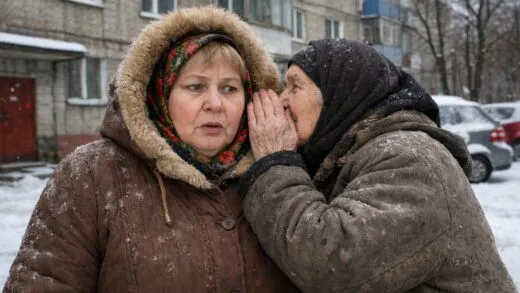
“Decided to take a walk. Needed some air. I’ll be home soon.”
“Okay. I’m worried. Call me when you’re heading home. Love you.”
She put the phone on the table and sighed. “Love you.” He said it every day. He cared for her, cooked dinner, asked about her day, gave her gifts. He was the perfect husband. So why was she feeling more and more anxious?
Anna remembered how they had met two and a half years ago. She had just started working as the director’s assistant, and at a corporate event, she was introduced to Vladimir, a successful sales manager from a partner company. He was nine years older than her, self-confident, charming. He courted her beautifully: flowers, restaurants, compliments. Six months later, he proposed.
Anna was happy. She felt she had found the one person with whom she could build a family. Vladimir was reliable, stable. He handled all the household problems, took charge of finances, planned their future together. She felt protected.
But gradually, his care began to turn into control. Subtly at first. He would ask who she talked to at work. He was interested in where she went after work. He asked her to let him know when she was leaving the office and when she would be home. All of this was presented as concern. “I’m just worried. You never know what might happen.” Anna didn’t object. It seemed normal for a husband to worry about his wife.
But over time, the control intensified. Vladimir didn’t like it when she stayed late at work. He would frown with displeasure if she planned to meet up with friends. He got irritated when she spent too much time on her phone.
And then the bracelet appeared. And the attacks. Anna looked at her wrist. Could he have known that the bracelet was dangerous for her health? No. That was absurd. He loved her. But if he loved her, why didn’t he want her to get a check-up? Why did he insist on her wearing the bracelet even though he saw she was getting worse?
The phone vibrated again. A call. Vladimir. Anna pressed the green button.
“Hello?”
“Anya, where are you?” his voice sounded anxious. “I’ve been home for half an hour, and you’re still not here. You said you’d be home soon.”
“I’m walking along the embankment. I need to be alone.”
A pause. Then Vladimir spoke slowly, with a hint of irritation:
“Alone? You were feeling ill, and you decided to walk alone? Anna, that’s irresponsible. What if you feel sick again? Who will help you?”