
 Let’s Keep It Real
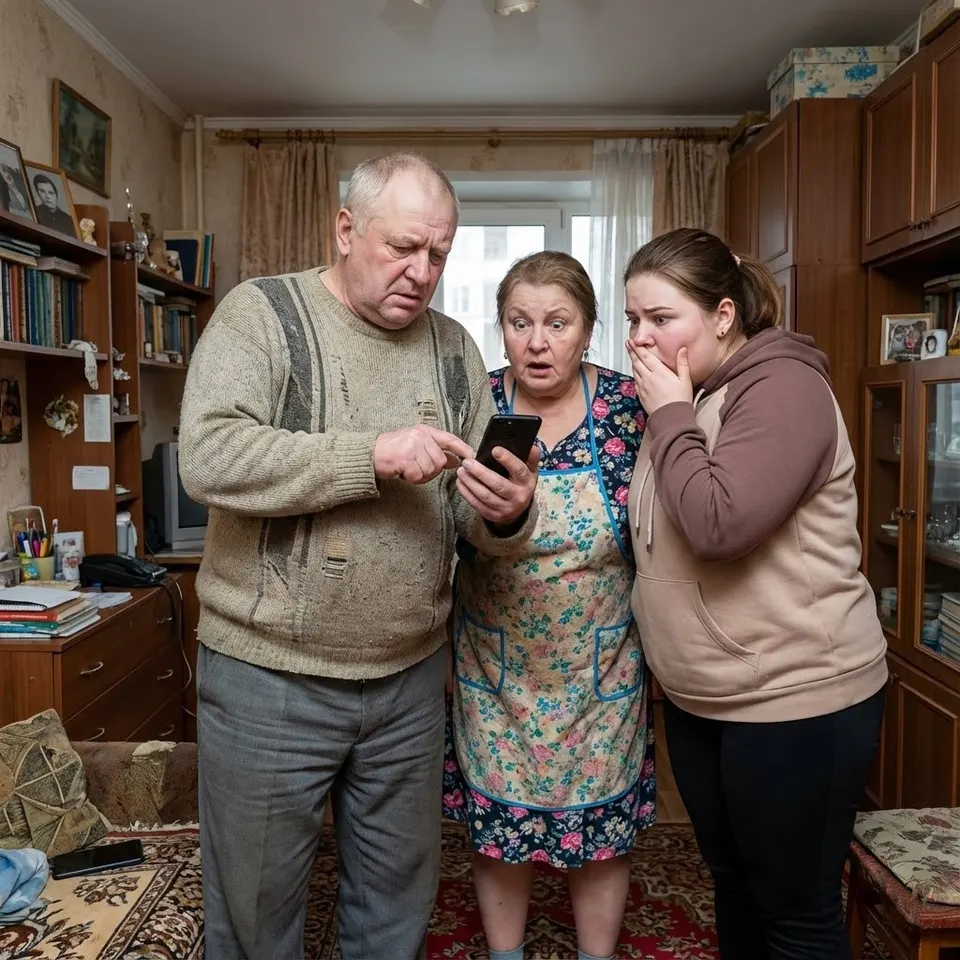
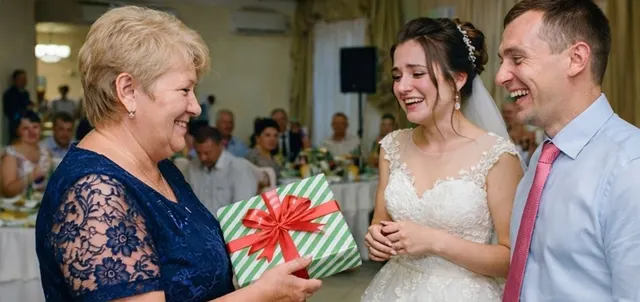
Stepan Vetrov was never mistaken about people. In thirty years as an investigator, he had learned to read human souls like open books. The wrinkles by the eyes, a tremor in the voice, an overly confident gaze—all of this was an alphabet for him, from which the words of truth and lies were formed. But now, sitting at the celebratory table and looking at his only daughter's fiancé, he doubted his own conclusions for the first time in his life.
Maybe he was just getting old? Maybe it was the usual fatherly jealousy that Nadezhda had warned him about?
“Dad, why are you so gloomy?” Daria sat down next to him, putting her arm around his shoulders. She smelled of flowers and happiness. “You don’t like Artem, do you?”
Stepan looked at his daughter. Twenty-six years old, but to him, she was still that little girl with pigtails who asked him to read to her at night. The little girl he carried in his arms when she was sick. The little girl for whom he was ready to do anything.
“I like him,” he lied. “I’m just nervous. A wedding is a serious matter.”
“Dad!” Daria laughed and kissed him on the cheek. “You yourself said: trust your intuition, daughter. Well, my intuition says: Artem is the one.”
Stepan remained silent. His intuition was saying something completely different. Artem Krylov had appeared in Daria’s life eight months ago. Handsome, successful, courteous. The owner of a small construction company, thirty-two years old, never married. The perfect fiancé. Too perfect. Stepan had checked him through his channels—nothing. A clean record, no dark spots.
But something was scratching at him from the inside, giving him no peace. Something in the man’s eyes. They were empty, like a fish’s. He smiled, joked, was the life of the party. But his eyes remained cold.
“Stepan Andreevich!” Artem approached them with two glasses of wine. “Have a drink with me! To your daughter! To the most beautiful woman in the world!”
Stepan took the glass. Their eyes met. For a second, just for a second, something flickered in Artem’s eyes. Mockery? Superiority? Or did Stepan imagine it?
“To Dasha!” he said.
They clinked glasses. Artem smiled his signature smile and went over to the other guests. Nadezhda came up to her husband and took his hand.
“Stop it!” she whispered. “I can see how you’re looking at him. He’s a good guy. Dasha is happy. What more do you need?”
“I don’t know, Nadya. I don’t know.”
In the evening, after the guests had left and Daria had gone with Artem, Stepan sat on the porch for a long time, staring into the darkness. His cigarette had long gone out, but he didn’t notice. For thirty years, he had caught criminals. For thirty years, he had seen what people were capable of. He knew that the most terrible monsters wore human faces. They smiled, joked, gave flowers, and said the right words. And then…
“Stepa, come to bed,” Nadezhda called from the house.
He put out the cigarette and stood up. The decision had already been made. Maybe he really was paranoid. Maybe this was all foolishness. But he had to be sure.
The next day, Stepan went to see an old acquaintance, Boris, who owned an electronics store.
“A camera?” Boris raised his eyebrows in surprise. “What kind of camera?”
“A small one. Unnoticeable. Something you can hide in a car.”
Boris was silent for a long time, then grunted.
“Stepa, you’re retired. What kind of investigation is this?”
“A personal matter.”
“Alright, none of my business. I have just the thing.”
Boris reached under the counter and pulled out a small box.
“Records video and sound. Works autonomously for up to five days. It’s motion-activated, which is why it lasts so long.”
Stepan turned the device over in his hands. It was half the size of a matchbox.
“How much?”
“For you, it’s free. You got my son out of trouble once. Remember?”
“I remember.”
“So do I.”
At home, Stepan hid the camera in a desk drawer. Nadezhda mustn’t know. At least not yet.
Two days later, Artem came over for lunch. Daria excitedly talked about the wedding preparations: the dress was ready, the flowers were ordered, the restaurant was booked.
“Dad, stop it! The wedding is in a week,” she laughed, watching Stepan meticulously examine the invitation samples. “Everything will be wonderful.”
Stepan nodded. He was waiting for the right moment. The moment came after lunch. Artem went out for a smoke, leaving his car unlocked. Stepan, claiming a headache, went out for some fresh air. It took thirty seconds to install the camera. He attached it under the dashboard. A place where no one would find it.
“Dad!” Daria came out onto the porch. “What are you doing there?”
Stepan straightened up, his heart pounding.
“Nothing. Just looking at the car. It’s a nice one.”
“Good grief, Dad!” Daria rolled her eyes. “You’ve already checked him a hundred times. Relax.”
Nadezhda appeared in the doorway. She shook her head.
“Stepa, stop it! People will think you’ve lost your mind.”
“Maybe I have,” he muttered under his breath.
Artem returned, and they all sat down for tea. Stepan smiled, joked, and was more gracious than ever. But inside, everything was tense. Three days. He had to wait three days.
Those three days dragged on endlessly. Stepan barely slept, replaying all possible scenarios in his mind. Maybe he was wrong. Maybe the recording would only show Artem listening to music and talking on the phone about work. Maybe.
But on the fourth day, when he retrieved the camera from the car (Artem had come for lunch again), his hands were shaking. That evening, after Nadezhda had fallen asleep, Stepan turned on the recording. The laptop screen glowed in the dark study. Stepan put on headphones so as not to wake Nadezhda and pressed play.
The first few hours of the recording were empty; the camera only captured the parked car. Then Artem got behind the wheel and turned on some music. Stepan fast-forwarded, stopping at the phone conversations. Ordinary work calls: construction materials, deadlines, contractors. Nothing suspicious.
“Maybe I really am an old paranoid,” Stepan thought, rubbing his tired eyes. He was about to turn off the recording when something new appeared on the screen.
Artem parked in some wasteland; the camera caught part of the window and a piece of an abandoned building. A woman got into the car. Stepan turned up the volume.
“So?” The woman’s voice was hoarse, from smoking. “Is everything going according to plan?”
“Like clockwork,” Artem smirked. “The wedding is just around the corner. I’ll play the happy husband for a couple of months, and then…”
“And then unfortunate accidents? Why be so crude?”
“No, Zhanna. First, we’ll transfer everything to my name. The house, the land, her apartment downtown. Then a divorce. I’ll say she cheated on me. I’ll prepare the evidence.”
Stepan felt the blood drain from his face. His fingers clenched into fists.
“And what if her daddy the investigator suspects something?” the woman asked. “You said he looks at you like a wolf.”
Artem laughed.
“The old fool doesn’t have a clue anymore. He looks at me with his piggy eyes and thinks he understands something. And I smile at him and think: soon, grandpa, soon your little daughter will become my cash cow.”
Stepan clenched his teeth so hard his jaw ached. His hands were shaking.
“And if she doesn’t agree to a divorce?” the woman persisted.
“She’ll agree. I know how to be persuasive.”
“And if she doesn’t agree, then what?”
“Unfortunate accidents do happen, after all. Do you know how many people fall down the stairs each year? Drown in bathtubs?”
The woman giggled.
“You’re a monster, Artemchik.”
“I’m a pragmatist, Zhanna. I just take what I need. That naive little fool looks at me with love-struck eyes and thinks I’m her prince. And I’m thinking about how much her daddy’s house is worth.”
“How much?”
“A plot in a prime location, 200 square meters of living space, all of her apartment. It would fetch about eighty million. Maybe more.”
Stepan stopped the recording. His heart was pounding so hard he could hear it in his ears. He sat motionless for several minutes, staring at the frozen image on the screen. Then he played it again.
“And what about the previous one?” the woman asked. “From the next town over?”
Stepan leaned forward.
“Kira?” Artem shrugged. “Nothing. She won’t be telling anyone anything anymore.”
“What do you mean?”
“Literally. She fell off a balcony. An accident. She was drunk, lost her footing.” He spread his hands. “It happens.”
“Good God, Artem!”
“What?” His voice turned harsh. “It was her own fault. She started digging, asking questions. Went through my phone, found our messages. Wanted to go to the police. Do I need that?”
The woman fell silent. Then she asked quietly:
“And what if this one starts digging too?”
“She won’t. She’s too stupid. Too in love. Too trusting. The perfect victim.”
Stepan pressed pause. His fingers wouldn’t obey; he missed the button three times.
Kira. Accident. Balcony.
He opened his browser and typed into the search bar: Kira balcony fall, accident. News headlines from two years ago flashed across the screen. “Young woman dies after falling from balcony. Investigation rules it an accident. Deceased’s relatives do not believe the official version.”
Stepan found a photograph. Young, beautiful, blonde. 28 years old. Unmarried. Worked as a designer.
He went back to the recording. For the next half hour, Artem and the woman named Zhanna discussed the details. It turned out that Zhanna was his long-time accomplice. They had already run several similar schemes. Artem would marry wealthy women, gain their trust, and then take everything he could. Houses, apartments, cars, savings. Some he managed to simply ‘scam’ into a divorce with terms favorable to him. Others were less fortunate.
Kira was not the only one. There was also some Olga—“slipped unfortunately in the bathroom.” And Svetlana—“overdosed on sleeping pills.” And several other names that Stepan jotted down with a shaking hand.
A serial killer. His daughter was about to marry a serial killer.
Stepan watched the recording to the end. The last fragment: Artem dropped Zhanna off at some house and said, “I’ll call after the wedding. We’ll celebrate when it all comes together.”
He turned off the laptop and sat in the dark for a long time. What should he do? Go to the police? Show them the recording? But it was his word against Artem’s. Lawyers would tear this recording to shreds: “illegal eavesdropping,” “inadmissible evidence.” Artem would hire the best lawyers and get away with it.
No. First, he had to show this to Daria. She had to see it with her own eyes.
Stepan stayed awake until morning. And in the morning, when Nadezhda came out of the bedroom, she found him in the kitchen—pale, with red eyes.
“Stepa, what happened? Are you sick?”
“Call Dasha,” he said hoarsely. “Tell her to come over. Urgently. And tell her to come alone.”
“What’s going on?”
“Just call her.”
Nadezhda saw something in his eyes, something she had only seen once, many years ago, when he returned from a crime scene where a murdered child had been found. She didn’t ask any more questions.
Daria arrived an hour later. During that time, Stepan was silent, while Nadezhda nervously paced the kitchen, not knowing what to do.
“Dad? Mom? What happened?” Daria burst into the house, frightened. “You scared me. What’s the emergency?”
Stepan stood up from the table.
“Sit down,” he said. “You both need to see something.”
“Dad, I have things to do. The wedding is in three days. Do you remember? I need to…”
“Sit down.”
Something in his voice made Daria fall silent. She slowly sank into a chair next to her mother. Stepan placed the laptop on the table, turning the screen towards them.
“I had to be sure,” he said quietly. “I know you think I’m a crazy old man. A paranoid. Maybe I am. But watch this. To the end. And then decide for yourselves.”
He pressed play and walked over to the window, turning his back. He didn’t want to see their faces. He didn’t want to see his daughter’s world crumble.
At first, there was silence—only the voices from the recording. Then Stepan heard Nadezhda gasp sharply. Then a choked sob. He turned around. Nadezhda was crying silently, covering her mouth with her hand. Tears streamed down her cheeks, her shoulders shaking. She stared at the screen with wide eyes, unable to believe what she was hearing.
Daria sat motionless, like a statue. Her face was white, completely white. She wasn’t crying; she seemed to have turned to stone.
The recording continued. Artem’s voice spoke terrible things about Kira, about accidents, about how easy it was to kill someone and make it look like a tragic coincidence. And then Daria broke.
It was terrifying—to watch a grown woman turn into a little girl. She doubled over, wrapping her arms around herself, and wailed. Not cried, but wailed, like a wounded animal. The sound was inhuman, the sound of unbearable pain. Of a betrayal that was impossible to comprehend.
“No,” she mumbled between sobs. “No, no, no. It’s not true. It’s not him. It can’t be him. Dad, tell me it’s not true.”
Stepan went to his daughter and hugged her. She clung to him like a drowning person to a life raft. Her nails dug into his back, but he didn’t feel the pain. All his pain was for her.
“He loves me,” she sobbed. “He said he loves me.”
“He said it. He said it every day. He looked into my eyes and said it. I know, sweetheart. I know.”
“We were planning to have children, Dad. Children. He was choosing names. He said he wanted a son. That we would name him after you…”
Stepan’s throat tightened. It was a calculation. A cold-blooded, cynical calculation. Artem knew how to melt a father’s heart—promise to name a grandson after him. And Stepan had almost believed it. Almost.
The recording continued to play. When the words about the other victims, about Olga, about Svetlana, were spoken, Nadezhda stood up and left the kitchen. Stepan heard her vomiting in the bathroom. She had always been sensitive. She believed in people, in goodness, in justice. Now her faith was crumbling along with her daughter’s world.
When the recording ended, a silence fell over the house. A terrible, dead silence. The kind that follows an explosion, when everything has been destroyed, and only the echo of the catastrophe remains.
Daria slowly lifted her head. Her eyes were red, swollen, but there was something new in them, something hard as steel. Stepan recognized that look; he saw it in the mirror every morning for thirty years.
“How many were there?” she asked quietly. “How many women did he kill?”
“I counted at least three. Maybe more.”
“And he’s walking free?”
“Until today, yes.”
Daria stood up. She was no longer crying. The tears had dried, leaving salty tracks on her cheeks.
“Call the police,” she said. “Now. Immediately. I want to be there for his arrest. I want to see his face.”
Stepan nodded and took out his phone. Twenty minutes later, two patrol cars stopped in front of their house. A man Stepan had known for many years, Major Igor Saveliev, his former partner, got out of the first car.
“Stepa,” Saveliev shook his hand. “What’s up? The duty officer said it was urgent.”
“Igor, I need your help. Personal. And professional.”
Stepan handed him a flash drive with the recording.
“Listen to this. And tell me if it’s enough for an arrest.”
Major Saveliev listened to the recording in his car, wearing headphones. Stepan stood nearby, watching his face. He saw the expression change: from skepticism to surprise, from surprise to horror. When the recording finished, Saveliev took off the headphones and was silent for a long time. Then he looked at Stepan.
“You realize this won’t hold up in court, right? An illegal recording, without a warrant, private surveillance.”
“I realize that. Any lawyer will tear it to shreds. I know, Igor. But there are three dead bodies. At least three. Kira, Olga, Svetlana. If we dig, we’ll find more.”
Saveliev rubbed the bridge of his nose.
“Let’s say I pull up the old cases. Let’s say I find a connection. But without direct evidence…”
“Then we need direct evidence.”
“How do you imagine that?”
Stepan had already thought about this. He had thought about it all night, staring at the ceiling and listening to his wife’s peaceful breathing.
“He doesn’t know that we know. The wedding is in three days. He’s confident that everything is going according to plan. We can use that.”
“You want your daughter to…”
“I want that scumbag to go to prison. For a long time. For everything he’s done.”
Saveliev shook his head.
“Stepa, this is dangerous. If he suspects anything…”
“He won’t suspect a thing. He’s too self-confident. You heard him, he thinks we’re all idiots.”
At that moment, the door of the house opened, and Daria stepped out onto the porch. She had washed her face, combed her hair, and changed her clothes. Outwardly, she was almost calm. But Stepan saw how her hands were trembling.
“I want to be involved,” she said firmly. “Whatever you’re planning, I want to be a part of it.”
“Dashenka, it’s dangerous!” Stepan began.
“Dad, he was going to kill me. Use me and kill me. Like those other women. I have the right.”
Saveliev exchanged a look with Stepan.
“She’s right,” the major said. “We can’t do it without her. If she suddenly cancels the wedding or starts acting strangely, he’ll disappear. People like him always have a backup plan. Backup documents, backup accounts.”
Daria came closer.
“What do I need to do?”
Saveliev sighed.
“For starters, act normal. He must not suspect anything. Not a single hint. Can you do that?”
Daria closed her eyes for a second. When she opened them, they held an icy resolve.
“I can. I lived with a man who doesn’t exist for eight months. Now it’s my turn to play a role.”
Just then, her phone rang. She looked at the screen, and Stepan saw her knuckles turn white.
“It’s him,” she whispered.
“Answer it,” Saveliev said. “Calmly. As usual.”
Daria took a deep breath and pressed “answer.”
“Hello, darling.” Her voice was perfect. Not a single false note. Stepan listened as she laughed, talked about wedding preparations, called him “my love” and “dearest.” And his heart broke with both pride and pain. “Yes, of course, come over this evening. We’ll have dinner together. Mom will make your favorite chicken. Kisses.”
She hung up, and her face instantly changed. The mask fell.
“He’s coming at seven,” she said in a dead voice. “What now?”
Saveliev took out a notebook.
“Now we get to work. Stepan, I need all the names from the recording. Everything he mentioned. I’ll pull the archives.”
“Already wrote them down,” Stepan handed him a piece of paper.
“Good. Next, we need to find this Zhanna. She’s an accomplice, at the very least. If we pressure her, she’ll talk. The recording has the place where he dropped her off. Part of a building was in the shot. I can try to identify the area.”
“Get on it.”
Daria listened to their conversation, hugging herself.
“And what do I do? Just wait?”
Saveliev looked at her seriously.
“No. You are the main part of the plan. We need him to expose himself. To confess to something in front of witnesses. Or leave clues. How? You know him best. What could provoke him? Make him lose control?”
Daria thought for a moment.
“Jealousy,” she said finally. “He’s very jealous. Once I was talking to a former classmate, just said hello on the street. Artem questioned me for three hours afterward. Who was he? What was between us? Why did he look at me like that?”
“We can use that,” Saveliev nodded. “What else?”
“Money. He’s obsessed with money. He’s always asking about Dad’s house, about my apartment. He’s interested in whose name it’s under, if there are any mortgages.”
“Now we know why,” Stepan noted grimly.
“And also…” Daria hesitated. “He doesn’t like to be contradicted. When I once said I didn’t like his friend, he… changed. For a second. His eyes became different. I was scared then, but then he immediately smiled and said I was right. I forgot about it. But now I remember.”
Saveliev was writing it down.
“Good. Very good. We need to develop a plan. But first, I need to check the old cases. If I find any connection…”
“Igor…” Stepan lowered his voice. “This has to stay between us. No reports, no official requests. Not yet.”
“I understand. He might have connections in the system. People like that usually make useful acquaintances.”
“Exactly.”
Saveliev left, promising to return in the evening with information. Stepan remained on the porch with his daughter.
“Dad…” Daria said quietly. “How did you know? How did you know something was wrong with him?”
Stepan was silent for a long time.
“His eyes…” he said at last. “He had the wrong kind of eyes. He smiled, said the right words, did the right things. But his eyes… They were dead. Like a doll’s.”
“I didn’t notice.”
“You loved him. Love is blind—those aren’t just words.”
Daria sniffled.
“I still… Dad, I still feel something. It’s horrible. I know who he is. I heard what he said about me. But a part of me still…”
She didn’t finish. Stepan hugged his daughter.
“It’s normal. Eight months is a long time. Feelings don’t just switch off. But they will pass. When this is all over, they will pass.”
“And if they don’t?”
“They will. I promise.”
They went back into the house. Nadezhda was sitting in the kitchen, pale, with a cup of cold tea in her hands.
“What happens next?” she asked.
Stepan sat down next to his wife and took her hand.
“Next, we do what we’ve always done. Protect our family. At any cost.”
“I’m scared, Stepa.”
“Me too. But there’s no other way. If we just cancel the wedding, he’ll disappear. And in a year or two, he’ll find another victim. And another. And another. How many women have to die before he’s stopped?”
Nadezhda nodded. She understood. She always understood.
“What should I do tonight? When he comes?”
“The same as usual. Smile. Serve him dinner. Talk about the wedding.”
“I can’t. I’ll hit him. Or… I don’t know. I can’t do it.”
“Mom,” Daria sat down next to her mother. “You can. For me. For all those women he killed. We have to.”
Nadezhda gave her daughter a long look. Then she slowly nodded.
“Alright. I’ll try.”
Stepan left the women to prepare dinner and locked himself in his study. He needed to find the place where Artem had dropped off Zhanna. He rewatched the recording dozens of times, pausing on every frame where anything outside was visible. A piece of a wall. Part of a sign. The corner of a lamppost. After two hours, he figured it out. An old industrial area on the outskirts. A former factory, now abandoned. Nearby were residential buildings from the Soviet era.
He called Saveliev.
“Found it. The industrial zone near the old cannery. There are a few residential buildings there.”
“Excellent. I’ll check it out. I’ve got something too.”
“What?”
“Kira Melnikova. 28 years old. Died two years ago, fell from a ninth-floor balcony. Case was closed as an accident. But there’s an interesting detail in the file.”
“What is it?”
“A month before her death, she filed a police report. Then withdrew it. You know who it was against? Artem? No. A certain Andrei Kovalchuk. The description is a perfect match for our handsome friend. Tall, dark-haired, scar on his left arm.”
Stepan felt a chill run down his spine.
“Artem has a scar on his left arm. I’ve seen it.”
“Exactly. It seems our friend changes not only women but also names.”
“How many identities does he have?”
“I’ve found three so far. Artem Krylov, Andrei Kovalchuk, and also a certain Alexei Karpenko. All the documents are real. Not forgeries.”
“How is that possible?”
“It’s possible if you know the right people or have access to databases.”
“You think he has connections in law enforcement?”
“I think we need to be very careful.”
Stepan hung up and sat motionless for a long time. Three identities. Three names. How many victims?
At six in the evening, he went downstairs. Nadezhda was setting the table. Daria was sitting in the living room, staring into space.
“He’ll be here soon,” she said without turning. “I can feel it. It’s like… like I can feel a predator approaching.”
“You can handle this,” Stepan said.
“I know.”
At exactly seven, the doorbell rang. Daria stood up, straightened her dress, and went to open it. Stepan watched as she hugged the man who planned to kill her. Kissed him on the cheek. Smiled her most tender smile. And he realized he had underestimated his daughter. She was stronger than he thought. Much stronger.
“Stepan Andreevich!” Artem entered the living room with a bottle of wine. “Good to see you.”
Stepan shook his hand. Firmly. Maybe too firmly.
“Likewise,” he said, looking into those empty, fish-like eyes.
The game had begun.
Dinner dragged on endlessly. Every second felt like an hour. Every word from Artem was like a stab from a knife. Stepan sat at the head of the table and observed. For thirty years, he had interrogated criminals, and now he used all his skills not to give himself away. He smiled, nodded, kept the conversation going. And inside, he counted every gesture, every look, every intonation.
Artem was good. Very good. He joked, told funny stories from the construction site, praised Nadezhda’s chicken. The perfect son-in-law. The perfect actor.
“Stepan Andreevich,” he addressed him, pouring more wine. “I wanted to discuss something. After the wedding.”
“What is it?”
“Dasha and I were thinking about a joint business. A small design studio. She’s talented, you know. And I have connections in the construction industry. A perfect combination.”
Stepan nodded, trying to maintain a neutral expression.
“Sounds reasonable. But you’ll need startup capital.”
“We thought…” Artem paused as if embarrassed. “Perhaps Dasha could sell her apartment. We’ll be living together anyway. And invest the money into the business.”
There it was. Stepan felt Daria tense up beside him. But when he looked at his daughter, her face was perfectly calm.
“We discussed it,” she said with a smile. “I’m not against it. After all, an apartment is just square footage. Our future is more important.”
Artem beamed.
“This is why I love you. For your understanding.” He reached across the table and took her hand.
Stepan saw Daria flinch almost imperceptibly at his touch. But she didn’t pull her hand away. She kept up the act.
“And as for the house…” Artem continued, now addressing Stepan. “I understand it’s the family home, traditions and all that. But have you considered moving? The house is large, the yard requires upkeep. At your age, it can be difficult.”
“At my age,” Stepan thought. “I wonder how soon after the wedding you would have arranged an accident for me? A fall down the stairs? A heart attack?”
“I’m managing for now,” he replied aloud. “But thank you for your concern.”
“Well, when the grandchildren come along,” Artem winked at Daria, “you won’t have time for the garden. You’ll be busy babysitting.”
Nadezhda dropped her fork. The clatter of metal on the plate cut through the silence.
“Sorry,” she mumbled, picking up the fork. “I’ve become so clumsy.”
Stepan saw her lips turn white. Talk of grandchildren from a man who planned to kill their daughter—it was too much even for her.
“Mom, are you okay?” Daria asked.
“Yes, yes. Just tired. It’s been a long day.”
Artem looked at Nadezhda with feigned concern.
“Maybe you should lie down? Dasha and I can clear the table.”
“No, I’ll do it. You two stay seated.”
Nadezhda went to the kitchen. Stepan could hear her turn on the water—probably to drown out the sounds. Was she crying? Or just trying to calm down?
“Stepan Andreevich,” Artem lowered his voice. “I wanted to ask you something. Personally.”
“I’m listening.”
“After the wedding… I’d like to become a real son to you. Not just a son-in-law—a son. My father died when I was fifteen. Since then, I haven’t had…” he paused, as if searching for words. “I haven’t had a man I could look up to. And you… you are someone I admire. Your experience, your wisdom.”
Stepan looked at him and thought, “My God, you are good! You are monstrously good!”
“I’m flattered,” he said.
“Really?”
“Really. But a father’s trust must be earned. Time will tell.”
Artem nodded with a serious look.
“I understand. And I will earn it. I promise.”
“You’ve already shown what your promises are worth,” Stepan thought.
The evening was coming to an end. Artem was getting ready to leave. He had an early meeting with contractors tomorrow, needed to get some sleep. Daria walked him to his car. Stepan watched from the window as they kissed at the gate. A long, tender kiss. Artem held his daughter by the waist, whispering something in her ear. She laughed.
And only when his car disappeared around the corner did Daria double over and vomit right onto the flowerbed.
Stepan ran out to her.
“Dashenka!”
“Don’t touch me!” she recoiled. “Just give me a minute.”
She stood leaning against the fence, shaking. A fine, rapid tremor.
“I kissed him,” she whispered. “I kissed the man who… who called me a ‘stupid chicken.’ Who planned to kill me. And I smiled. And I said ‘I love you’.”
“You were magnificent. He didn’t suspect a thing.”
“That’s no comfort, Dad. It’s…” she sobbed. “I feel dirty. Inside. As if he… defiled me. With his hands, his lips, his words.”
Stepan hugged his daughter, despite her resistance.
“Just a little longer,” he said. “Hold on a little longer. It will all be over soon.”
“When? When will it be over, Dad?”
“Soon. I promise.”
They went back into the house. Nadezhda was sitting in the living room, hugging herself.
“I can’t do this anymore,” she said quietly. “Looking at him, smiling at him. Stepa, I can’t take it.”
“You will. We’ll get through this.”
Just then, Stepan’s phone rang. It was Saveliev.
“Yes?”
“Found Zhanna. Zhanna Petrovna Kozlova. Forty-seven years old. A conviction for fraud, served three years. Got out five years ago. Lives at the address you gave me. But that’s not all.”
“What else?”
“She used to work at the civil registry office. Ten years ago. Fired for forging documents.”
“Now I see where our friend got three sets of real documents. She made them?”
“Looks like it. And something else. I checked on Olga and Svetlana. Both closed cases, accidents. But in both instances, a few months before their deaths, they were dating men. Tall, dark-haired, charming.”
“Does the description match?”
“Perfectly. And another thing: both had real estate issues shortly before their deaths. Re-registrations, sales at undervalued prices, strange deals.”
“A pattern.”
“Yes. He works according to a pattern. And Zhanna is part of this pattern. Possibly a key part.”
Stepan thought for a moment.
“We can put pressure on her.”
“We can try. But if she warns Artem…”
“Then we need to make sure she can’t warn him.”
“What do you mean?”
“Come over. We’ll discuss it.”
Stepan hung up and turned to his family.
“There’s news. We’ve found his accomplice. And a connection to other victims.”
“Does that mean he can be arrested?” Daria asked hopefully.
“Not yet. But we’re close. Very close.”
Saveliev arrived an hour later. They locked themselves in Stepan’s study and laid out everything they had gathered on the table.
“Three confirmed murders,” Saveliev said, pointing at the photographs. “Kira Melnikova, Olga Savchenko, Svetlana Gritsenko. The same MO in all cases: they meet, a whirlwind romance, plans for a life together. Then the transfer of property. Then an accident.”
“He didn’t marry them officially?”
“No. That’s his trick. A common-law marriage doesn’t require a divorce. Less paperwork, fewer traces.”
“Why was Daria an exception? Why the official wedding?”
Saveliev paused.
“I think it’s because of the house. Your house, Stepa. It’s worth too much. To get the rights to it, he needs official family ties. Inheritance, joint property. He didn’t just want Dasha’s apartment. He wanted everything.”
“Yes. You’re richer than you think. A plot in an elite neighborhood, 200 square meters of living space, plus your daughter’s apartment, plus, possibly, some savings.”
“There are savings. We’ve been putting money aside for our old age.”
“There you go. For him, it’s a jackpot. Worth the risk of an official marriage.”
Stepan looked at the photos of the deceased women. Young, beautiful, smiling. They didn’t know that the man they loved would kill them.
“What about Zhanna?” he asked.
“I’ll pay her a visit tomorrow morning. Unofficially. Have a talk.”
“I’m coming with you.”
“Stepa…”
“It’s not up for discussion. I have to be there.”
Saveliev sighed.
“Alright. But you just listen. No action.”
“Deal.”
When Saveliev left, Stepan went down to the living room. Nadezhda and Daria were sitting on the couch, huddled together.
“Dad,” Daria said, “I want to know everything. Don’t hide anything from me.”
Stepan sat in the armchair opposite them.
“Three women. At least three. All died under similar circumstances. All were in a relationship with a man who looked like Artem. All had real estate problems before they died.”
Daria listened in silence. Her face was pale but calm.
“Tomorrow we’ll try to talk to his accomplice. Zhanna. If she talks, we’ll have evidence. And if she doesn’t… then we’ll think of something else.”
Daria stood up and walked to the window.
“Dad,” she said without turning around, “when did all this start? When did he decide I would be his next victim?”
“I don’t know. Maybe from the first time you met. Maybe later.”
“We met at an exhibition. I was showing my work then. Remember? I told you about it. He came up, started praising my paintings. Said he’d never seen anything like it. That I had talent, that I should develop it, that he was ready to help.” She paused. “I was so happy. A handsome, successful man—and he was interested in me. Not just as a woman, but as an artist. He said he believed in me, that I was special.” Her voice trembled. “But in reality, he was just choosing a victim. He looked at me and thought: how much is she worth? How much can I get from her?”
“Dashenka…”
“No, Dad. Let me finish.” She turned around. Tears glistened in her eyes, but her voice was firm. “I have to get through this. I have to understand. Accept it. Otherwise, I’ll go crazy.” She went to her father and sat beside him. “He was the first man I trusted completely. After Dima. Do you remember how hard it was for me? For three years, I didn’t trust anyone. And then Artem appeared. And I thought: here he is. The one I’ve been waiting for. The one who will never betray me.”
Nadezhda sniffled.
“Sweetheart…”
“And you know what the scariest part is?” Daria continued. “I still remember how he looked at me. With love. With tenderness. It felt so real. How can someone pretend like that? How can you play a role every day, every minute? He’s not a robot. He’s a person. Is there really nothing inside him?”
Stepan was silent. He didn’t know what to say. In thirty years of work, he had met people like that—empty inside, capable of mimicking any emotion. But he couldn’t explain it to his daughter.
“You’ll get through this,” he said at last. “You’re strong. Stronger than you think.”
“I don’t feel strong. I feel used, thrown away, like trash.”
“You are not trash. You are my daughter. And you will survive. And you will live on. And he… he will answer for everything.”
Daria rested her head on her father’s shoulder.
“Promise?”
“I promise.”
They sat like that until late into the night. Three people, bound by blood and pain. Three people, preparing for the most important battle of their lives.
In the morning, Stepan and Saveliev went to see Zhanna. Her building—an old panel five-story—looked as dreary as the neighborhood around it: peeling paint, broken asphalt, a smell of mold in the entryway. Her apartment was on the third floor.
Saveliev rang the bell. The door didn’t open right away. When it finally cracked open on its chain, Stepan saw a thin, gaunt face. A woman in her fifties, although her documents said forty-seven. Smoke-damaged hair, yellow fingers, deep wrinkles.
“What do you want?” The voice was the same. Hoarse, from smoking.
“Zhanna Petrovna?” Saveliev asked, showing his badge. “Major Saveliev. We need to talk.”
The woman turned pale. Her eyes darted to the stairs, looking for an escape route.
“I didn’t do anything.”
“We know about Kira. And about Olga. And about Svetlana.”
Zhanna flinched, as if struck.
“I… I don’t know what you’re talking about.”
“You do. And you have a choice. Either you talk to us now, off the record. Or we come back with a warrant and talk officially. In the second case, you go down as an accomplice to three murders. In the first, there’s a chance for a deal.”
Zhanna was silent. Her hands were shaking.
“Let us in,” Stepan said. “Please.”
Something in his voice made her falter. She looked at him intently, assessing him.
“You’re the father, aren’t you? The girl’s father?”
“Yes.”
Zhanna closed her eyes.
“My God,” she whispered. “God, forgive me.” And she unlatched the chain.
Zhanna’s apartment was as worn out as its owner. Old furniture, faded wallpaper, the smell of stale tobacco smoke. Dozens of cigarette butts in a tin can on the windowsill. On the wall, a faded photograph of a beautiful young woman. It took Stepan a moment to realize it was Zhanna herself, twenty years ago.
She had them sit on a sagging couch, while she remained standing by the window, nervously fiddling with the edge of the curtain.
“I knew you’d come one day,” she said quietly. “I knew it. I waited every day.”
“Then why didn’t you leave?” Saveliev asked. “You could have run, hidden.”
Zhanna gave a bitter smile.
“Where to? With my record? With my sins?” She shook her head. “And besides… running means admitting guilt. And for so many years, I convinced myself I wasn’t to blame. That I was just making documents. Just helping a man start a new life. And what he did with that life was no longer my concern.”
“You knew,” Stepan said. It wasn’t a question.
“Not at first.” Zhanna lit a cigarette, her hands trembling. “Not at first. He came to me six years ago. Handsome, charming. Said he had problems with his documents. His ex-wife was harassing him. Threatening to kill him. He needed new documents, a new name, a new life. I had just gotten out of prison, I needed the money. He paid well.”
“How many sets of documents did you make for him?”
“Three. Artem Krylov was the first. Then Andrei Kovalchuk. Then Alexei Karpenko.”
“And you didn’t ask why he needed so many identities?”
Zhanna took a drag from her cigarette.
“I asked. He said it was for security. So his ex couldn’t find him. I believed him. I wanted to believe him.”
“When did you find out the truth?”
Zhanna was silent for a long time. Then she went to a cabinet, took out a half-empty bottle of vodka and a glass. She poured, drank it down in one gulp.
“After Olga.” Her voice trembled. “We were… we were together then. Not as a couple, I’m too old for him. But we… saw each other sometimes. He said he valued me. That I was the only one who understood him.” She poured another. “That day he came to me. Excited, cheerful. Said the problem was solved. I asked, what problem? He laughed and said, ‘Olga won’t be asking any more unnecessary questions.’ I didn’t understand. The next day I read in the news: a woman slipped in the bathroom, hit her head.”
Stepan felt his heart clench.
“And you didn’t go to the police?”
“No.” Zhanna finished her vodka and set the glass aside. “I was scared. Not for myself, I stopped being scared for myself a long time ago. I was scared of him. Of what I saw in his eyes when he talked about Olga. He was smiling. Do you understand? Smiling. As if he were telling a funny joke.”
Saveliev exchanged a look with Stepan.
“That was four years ago?”
“Yes. Olga—four years ago. And then there was Kira. A year and a half after Olga.”
“Kira Melnikova?” Stepan clarified. “The one who fell from the balcony?”
“Yes. She started suspecting something. Went through his phone, found our messages. Wanted to go to the police.” Zhanna shuddered. “He came to me in a rage then. Said she would ruin everything, that he had to act fast. A week later—an accident.”
“And Svetlana?”
“Svetlana was the last one. A year and a half ago, on March 14th. She was more difficult. She had a brother who didn’t trust Artem from the beginning. Suspected something. Artem was nervous. Said he had to act fast. He…” Zhanna fell silent.
“What did he do?”
“He put sleeping pills in her drink. A lot. A whole lot. Then he called an ambulance, pretended to be distraught. The doctors didn’t make it in time. The autopsy showed an overdose. Everyone thought she did it herself. Depression, relationship problems.” Zhanna gave a bitter smile. “He knows how to create the right picture. He knows how to be convincing.”
“And the brother?”
“The brother didn’t believe it. Tried to prove something. But there was no evidence. Artem is clean, he’s always clean. Six months later, Svetlana’s brother died in a car crash.”
Stepan turned sharply.
“Was that him too?”
“I don’t know. I honestly don’t know. Artem never talked about it. But the coincidence…” She didn’t finish.
Saveliev was writing down every word.
“How many victims were there in total, Zhanna? How many women did he kill?”
“The ones I know of—three. Olga, Kira, Svetlana. But there were others. Before me. He once mentioned that he started when he was young. That the first one was an accident, he hadn’t planned it. But then he realized how simple it was. How easy it was to get rid of someone and remain unpunished.”
“Who was the first one?”
“I don’t know. He didn’t name names. Only said he was 23 at the time.”
“And since then?”
Zhanna swallowed.
“Since then, he realized that people are a resource. One that can be used. And thrown away when it’s no longer needed.”
Stepan felt nauseous. Nine years. This man had been killing for nine years. Maybe longer.
“Why are you telling us this now?” Saveliev asked. “You realize this is a confession of complicity.”
Zhanna looked at him with tired eyes.
“Because I’m tired. Tired of being afraid. Tired of waking up from nightmares. Tired of seeing their faces: Olga, Kira, Svetlana. They haunt my dreams. Every night. They look at me and ask: why were you silent? Why didn’t you stop him?” She turned to Stepan. “And because I see you. A father. You came to save your daughter. And me? I couldn’t save anyone. Maybe now…” Her voice broke. Tears streamed down her cheeks. “I’m not asking for forgiveness. I know I don’t deserve it. But if my words can help put him away, maybe up there…” she looked up at the ceiling. “It will count for something.”
Saveliev put away his notebook.
“Are you willing to give an official statement?”
“Yes.”
“Do you understand that you’ll face jail time?”
“I understand. And I accept it. Prison is better than…” She didn’t finish. “Prison is better.”
Stepan approached her.
“Where does he keep his documents? The evidence? He must have something from the recordings, photographs, something that connects him to the victims.”
Zhanna thought for a moment.
“There’s a safe. In his apartment. I saw him open it once. There were folders. Lots of folders. He called it his ‘archive’.”
“Do you know the code?”
“No. But I know he changes it every month. And that the code is always related to the date of death of the last victim.”
Stepan and Saveliev exchanged a look.
“Svetlana died on March 14th?”
“Yes. A year and a half ago. The code then was 1403. But he could have changed it since.” Zhanna paused. “After meeting your daughter. He sometimes uses important dates. The day they met. The day they got engaged.”
“Or the wedding date,” Stepan finished. “Which was supposed to be in two days.”
“Yes. Possibly.”
Saveliev stood up.
“Zhanna Petrovna, I’m going to ask you not to go anywhere for now. And not to call anyone. Especially him.”
“I won’t call. I promise.”
“One more thing: are you willing to wear a wire? In case he contacts you himself.”
Zhanna nodded.
“Anything. Anything to help stop him.”
They left the apartment. On the stairs, Saveliev stopped.
“Stepa, you realize all of this is circumstantial evidence, right? Her testimony is her word against his. A lawyer will tear her apart. An ex-convict, mentally unstable, possibly jealous.”
“I understand. That’s why we need the safe.”
“Without a warrant, that’s illegal entry.”
“I know.”
“Even if we find something, the court won’t accept it.”
“Igor,” Stepan turned to his friend. “I don’t give a damn about the court. I need my daughter to stay alive. And for that, I need to know everything. Do you understand? Everything.”
Saveliev was silent for a long time.
“There is one way,” he said finally. “If he invites someone into the apartment himself. If we see something by chance.”
“How do we arrange that?”
“Your daughter. She’s the fiancée. She can go to his place. With some pretext.”
Stepan shook his head.
“No. I won’t let her go to him alone.”
“Then have her invite him somewhere. Get him out of the apartment for a few hours. And we…”
“We?” Saveliev looked at him. “I’m already in this crap up to my neck, Stepa. It’s too late to back out.”
“You’re risking your career.”
“I’m risking my conscience. If something happens to your daughter, and I could have prevented it—I’ll never forgive myself.”
Stepan shook his hand.
“Thank you.”
“You can thank me when he’s behind bars.”
They returned to Stepan’s house. Daria and Nadezhda were waiting for them in the kitchen.
“Well?” Daria jumped up. “What did she say?”
Stepan sat down and told them everything. Every word Zhanna said. Every detail. Daria listened in silence. Her face grew paler and paler.
“Four victims,” she whispered. “When he was finished?”
“At least four. Maybe more.”
“And I was supposed to be next.”
“You were. But you won’t be.”
“What do we need to do?”
Stepan laid out the plan. Daria was to call Artem and suggest spending the evening together. Dinner at a restaurant, then a walk—anything to get him out of the apartment for 3-4 hours. During that time, they would break in and find the safe.
“It’s dangerous,” Nadezhda said. “What if he suspects something?”
“He won’t,” Daria replied. “He’s too cocky. He thinks I’m a stupid, love-struck fool who hangs on his every word. He’ll never believe I’m capable of deceit.”
“Dashenka!”
“Mom! I have to do this. For myself. For those women. For those he hasn’t had a chance to kill yet.”
Stepan looked at his daughter with pride. She had grown up. Truly grown up.
“Tomorrow night,” he said. “Call him in the morning, arrange for the evening. We’ll get everything ready.”
Daria nodded.
“Okay. Tomorrow.”
That night, Stepan couldn’t sleep. He lay in the dark, thinking about what had to be done. About the risks. About the possible consequences.
“Stepa,” Nadezhda whispered. “Are you awake?”
“Yes.”
“Me too.” She moved closer. “I’m scared.”
“Me too.”
“What if…? What if something goes wrong?”
Stepan hugged his wife.
“It won’t. I won’t let it.”
“You always say that. And I’m always scared. I’ve been scared for thirty years. Every time you left for work, I wondered: will he come back? Every time the phone rang at night—I would jump.”
“I know. And I’m grateful to you for it. For every single day.”
Nadezhda sniffled.
“If something happens to Dasha…”
“It won’t. I promise.”
They lay in the dark, holding hands. Two people who had lived together for thirty years. Two people ready to do anything for their daughter.
In the morning, Daria called Artem. Stepan listened to the conversation, holding his breath.
“Darling, I miss you. Let’s spend the evening together. Just you and me. Let’s have dinner at that restaurant where we had our first date. Remember?” Her voice was perfect. Not a hint of falsehood.
“Of course, I remember.” Artem’s voice on the speaker sounded warm and affectionate. “Great idea. I’ll pick you up at seven.”
“How about I come to your place instead? I want to see your apartment before the wedding. Make sure everything is ready for our life together.”
A pause. Stepan tensed.
“Okay,” Artem said. “Come over at six. I’ll show you everything.”
“Deal. Kisses.”
Daria hung up and looked at her father.
“He agreed. I’ll be in his apartment.”
“That changes the plan,” Saveliev said. “If you’re inside, you can find the safe. Or at least figure out where it is.”
“No,” Stepan cut in. “Too dangerous.”
“Dad,” Daria came up to him. “Listen to me. I know this man. I lived with him for eight months. I know how he thinks, how he reacts. If anyone can do this—it’s me.”
“Dashenka…”
“I’m not a silly little girl. I’m a grown woman. And I want to finish this myself. Do you understand? Myself.”
Stepan looked into his daughter’s eyes and saw the same determination as in his own.
“Alright,” he said finally. “But you will stay in contact. A message every fifteen minutes. If you miss even one, we’re going in.”
“Deal.”
The plan was set. All that was left was to execute it.
Artem’s apartment was in a new residential complex on the outskirts of the city. A modern building, a concierge in the lobby, surveillance cameras on every floor. Stepan parked a block away from the building and watched as Daria got out of a taxi and headed towards the entrance.
“She’s in,” he said into the radio to Saveliev, who had taken up a position on the other side of the building.
“I see her. Cameras are recording. If anything happens, we’ll have footage.”
Daria went up to the seventh floor. Her heart was pounding so loudly it felt like the whole building could hear it. She stopped in front of door number 74 and took a deep breath.
“You can do this,” she told herself. “You’re an actress. You played the love-struck fool for eight months. Play it for one more evening.”
She rang the bell. The door opened almost immediately. Artem stood in the doorway in a white shirt and dark trousers—handsome, smiling, perfect.
“Dashenka.” He hugged and kissed her. “I’m so glad to see you.”
Daria forced herself to smile and return the kiss. His lips were warm, familiar, and disgusting.
“I missed you too,” she said, stepping into the apartment.
The apartment was exactly as she had imagined it. Minimalist design, expensive furniture, perfect order. Not a single unnecessary item, not a single personal photograph. Sterile, like an operating room.
“Do you like it?” Artem asked, watching her reaction.
“Very modern,” Daria replied. “But a bit empty.”
“That’s because it’s missing a woman’s touch. Your touch.” He hugged her again. “Soon everything will change. Together, we’ll make this place a real home.”
“A home I won’t leave alive,” Daria thought.
“Will you show me everything?” she asked, gently freeing herself from his embrace. “I want to know where everything is. To plan the redecorating.”
“Of course.”
Artem gave her a tour of the apartment. Living room, kitchen, bedroom, bathroom. Everything was impeccably clean and utterly impersonal.
“And what’s this?” Daria pointed to a closed door at the end of the hallway.
“My office. I work in there.”
“Can I see?”
Artem hesitated for a second. Just for a second, but Daria noticed.
“It’s a mess in there,” he said with an apologetic smile. “I don’t want you to see me so disorganized.”
“I’ve seen your car after a workday. Believe me, it’s hard to surprise me with a mess.” She smiled her most charming smile. The one he loved so much.
Artem laughed.
“Alright, you convinced me. But just a quick look.”
He opened the office door. Daria walked in and looked around. The room was small: a desk, a computer, bookshelves. And in the corner—a metal cabinet. Massive, gray, with a digital lock. The safe.
“What’s that?” she asked, trying to make her voice sound casual.
“Documents. Contracts, financial papers. Boring business stuff.”
“You’re such a serious businessman,” she playfully poked him in the side. “And you never tell me about your work.”
“Because I don’t want to bore you.” He put his arm around her waist. “Come on, I’ll show you the balcony. The view from there is amazing.”
Daria let him lead her out of the office, but she had memorized the safe’s location. In the corner, to the right of the door. Digital lock. Six digits.
The view from the balcony was indeed beautiful: the evening city, the lights, the sunset. Artem hugged her from behind, resting his chin on her shoulder.
“Tomorrow, you’ll be my wife,” he whispered. “I’ve waited so long for this.”
“Me too.”
“We’ll be happy.”
“I promise.”
Daria felt his hands tighten on her waist. A little tighter than necessary. Possessively.
“I need to use the restroom,” she said, freeing herself. “Will you wait?”
“Of course.”
She left the balcony and headed for the bathroom. On the way, she took out her phone and quickly typed a message to her father: “Saw the safe. Office. Corner right. Six digits. All okay.”
The reply came instantly: “Got it. Be careful.”
Daria hid her phone and went into the bathroom. She needed a minute. Just a minute to gather her strength. She looked in the mirror. A pale face, dark circles under her eyes. But her gaze was firm, resolute.
“You can do this,” she told her reflection. “Just a little longer. Just a little bit more.”
When she came out of the bathroom, Artem was waiting for her in the living room with two glasses of wine.
“To us,” he said, handing her a glass.
Daria took the glass but didn’t drink. She remembered Zhanna’s words about Svetlana. Sleeping pills. Overdose.
“I’m driving,” she said.
“Later at the restaurant. You came by taxi, right?”
“Yes, but…” She hesitated. “I just don’t want to drink on an empty stomach. I’ll get dizzy.”
Artem shrugged and placed her glass on the table.
“As you wish. Then let’s go to the restaurant. I’ve booked our table. Let’s go.”
They left the apartment. In the elevator, Artem hugged her again. And Daria forced herself to press against him. To play the part. Until the end.
Stepan watched as they left the building and got into Artem’s car. The black SUV pulled away smoothly.
“They’re gone,” he said into the radio. “How much time do we have?”
“The restaurant is a twenty-minute drive,” Saveliev replied. “Plus dinner—at least an hour. Plus the drive back. We have two hours. Maybe more.”
“That’ll be enough.”
Stepan got out of his car and headed towards the building. In his pocket was a set of lock picks—a relic from his investigator days. He never thought he’d have to use them again. The concierge in the lobby was watching TV and paid him no mind. Stepan walked past, nodding, and took the elevator to the seventh floor.
Apartment 74. The lock was modern but not too complicated. Three minutes later, Stepan was inside.
The apartment greeted him with silence and the scent of expensive cologne. The same one he smelled every time Artem came to their house.
The office. Corner right. Stepan found the safe exactly where Daria had said. A massive metal cabinet with a digital lock. Six digits.
He tried 140323—Svetlana’s date of death with the year. The lock blinked red. He tried 031424—the upcoming wedding date in American format. Red again. He tried 240314—the wedding date in reverse. Red.
Stepan stopped. Three failed attempts. One more, and the safe might lock down. Or worse, send a signal to the owner.
He took out his phone and called Saveliev.
“Igor, I need help. The code isn’t working.”
“What combinations have you tried?”
“Svetlana’s date of death, the wedding date.”
“Hold on.” Saveliev fell silent. “Zhanna said he uses important dates. Maybe not of death, but of when they met? I don’t know when he met Dasha.”
“Ask her. Send her a message.”
Stepan texted Daria: “Date you two met?” The reply came a minute later: “April 15. Why?”
“150424.” He entered the code. Red.
“It’s not working,” he said into the phone. “Damn it.”
“Maybe the engagement date? When was that? Ask her.”
Another message: “When did he propose?”
“September 28. Why are you asking? Is everything okay?”
“Everything’s fine. Just checking.”
“280924.” Stepan entered the code, holding his breath. Green.
The safe clicked open. Inside was exactly what Zhanna had described. Folders. Lots of folders. Neatly labeled, arranged by date.
Stepan took the first one. The cover read: “Project O.” Olga. Inside was a photograph. Documents. Copies of real estate contracts. And the most chilling part—a journal. Handwritten notes in a neat script.
March 12. O. is starting to ask questions. Need to speed up the process.
March 15. Documents signed. House transferred.
March 18. Problem solved. Accident in the bathroom. Police are not suspicious.
Stepan felt bile rise in his throat. He opened the next folder. “Project K.” Kira. The same photographs. The same documents. The same cold-blooded journal.
June 5. K. found messages with Z. Problem.
June 8. K. is threatening with police. Need to act.
June 12. Balcony. 9th floor. Clean.
Stepan flipped through the pages, and each line was like a punch to the gut. This man documented his murders. Kept records. Like an accountant keeping track of expenses.
The next folder. “Project S.” Svetlana.
And the last folder. “Project D.” Daria. Stepan’s hands were shaking as he opened it. Inside were photos of his daughter: at the exhibition, in a café, on the street. Some were taken even before they had officially met. He had been watching her. Selecting her. Like a hunter selecting prey.
From the notes:
April 15. First contact. D. is an ideal target. Father is a former investigator, but already retired. House in a prime location. Apartment downtown. Estimated value 80+ million. May 20. Relationship developing according to plan. D. trusts completely. September 28. Proposal accepted. Wedding set for March. March 10. Father is suspicious. Need to speed up the process. After the wedding, 2 months maximum. Then divorce or… an alternative.
Stepan photographed every page. Every document. Every photograph. His hands trembled, but he forced himself to work methodically, like in the old days. When he finished, there was one more folder left in the safe. Unlabeled.
He opened it and froze. Inside were documents in a name he didn’t know. Igor Saveliev. Photographs. Address. Place of work. And a note: “Connection to subject D. Potential threat. Surveillance.”
Artem knew about Saveliev. He knew he was helping.
Stepan grabbed his phone.
“Igor. He knows about you. He has a file.”
“What?”
“Photos, address, everything. He was watching you.”
Saveliev swore.
“When are the entries dated?”
Stepan looked at the documents. “The last entry… This morning. ‘S. and subject met at Z.’s house. Threat confirmed.’” He had seen them. This morning, when they were at Zhanna’s. Artem had been following them.
“Stepa, get out of there. Immediately.”
“What about Dasha?”
“I’ll call her. We’ll figure something out. But you need to leave. Now.”
Stepan closed the safe and rushed to the exit. In the hallway, he heard the sound of the elevator opening. He froze. The elevator doors parted, and Artem stepped into the hallway. Alone. Without Daria. Their eyes met.
“Stepan Andreevich,” Artem said calmly. “What a surprise. Decided to visit your future son-in-law?”
A knife gleamed in his hand. The hallway shrank to the size of a grave. Stepan looked at the man who was planning to kill his daughter and felt time slow down to an impossible crawl.
“Where is Dasha?” he asked, trying to keep his voice from trembling.
Artem smiled. The same smile Stepan had seen a hundred times: warm, charming, inviting. Only now he knew what lay behind it.
“Dasha? Oh, don’t worry. She’s safe. For now.”
“What did you do to her?”
“Nothing. For now,” Artem repeated, taking a step forward. The knife in his hand glinted in the hallway light. “You know, Stepan Andreevich, I underestimated you. I thought you were an old fool, a paranoid who’d lost his mind. But you turned out to be… persistent.”
“You knew we were coming.”
“Of course. I saw you this morning at Zhanna’s. Poor Zhanna. She was always the weak link. Too sentimental, too… conscientious.” He said the word with disgust. “I knew she’d break sooner or later.”
Stepan slowly backed towards the apartment. If he could get inside, there would be something to defend himself with. Anything.
“Don’t move,” Artem warned. “I’m faster. Believe me, I know how to use this thing. Like with Kira. Like with Olga. Like with Svetlana.” Artem laughed. “Oh, you found my archive. Impressive, isn’t it? I’ve always been meticulous. I like order. I like when everything is documented.”
“You’re sick.”
“No, Stepan Andreevich. I’m practical. People are a resource. Some use oil, others use wood. I use people. What’s the difference?”
Stepan felt his heart pounding in his chest. He was sixty-two. Artem was thirty-two. In a direct confrontation, he stood no chance.
“Where is my daughter?” he repeated.
“In the car. Sleeping. A glass of wine at the restaurant, and she passed out right at the table. The waiter helped me carry her out. Said my wife had had too much to drink. Everyone was sympathetic.” Artem smirked. “People are so trusting.”
“If you touch her…”
“What? What will you do?” Artem came closer. “You’re an old man with a bad heart. I’ve seen you clutch your chest when you think no one is looking. One blow, and it’s over. A heart attack. Very convincing.”
At that moment, the phone in Stepan’s pocket vibrated. Artem noticed.
“Don’t,” he warned. “Hands where I can see them.”
“It’s Saveliev,” Stepan said. “He knows where I am. If I don’t answer, he’ll come.”
“Let him come. I’ll be long gone. With your daughter. And believe me, you’ll never see her again.”
Stepan realized the time for talk was over. Artem wasn’t going to let him go. He had come to kill.
“You know,” Stepan said slowly, “in thirty years, I’ve caught many like you. Smart. Calculating. Convinced of their own invulnerability. And they all made one mistake. They thought they were special. That the rules didn’t apply to them.”
Artem frowned.
“What are you getting at?”
“I’m getting at the fact that you’re not as smart as you think.”
Stepan pressed the button on the phone in his pocket. The one he had set up before leaving. An emergency call. A direct line to Saveliev.
“What are you doing?” Artem stepped towards him.
“I’m giving you a chance. A last one. Tell me, where’s the car? Where’s Dasha? And maybe, just maybe, you’ll live to see a trial.”
Artem burst out laughing.
“You’re bluffing, old man. You have nothing.”
“I have your archive. The photos. The documents. Your handwriting. Your confessions.”
“Illegally obtained. No court will accept it.”
“The court might not. But the victims’ families will. Gladly. What do you think Svetlana’s brother will do when he finds out you killed his sister? That you tried to kill him too?”
For the first time, Artem hesitated.
“He died. In the crash.”
“No. He survived. You were sure he was dead. You even told Zhanna so. But he pulled through. He’s in a wheelchair now. But he’s alive. And very, very angry.”
It was true. Saveliev had found this information yesterday while checking the crash data. Svetlana’s brother, Nikolai Gritsenko, had survived, though he was left paralyzed. For two years, he had been searching for proof that the crash was staged. For two years, he had been waiting for a chance at revenge.
Artem turned pale. For the first time, his mask cracked.
“You… you wouldn’t dare.”
“I wouldn’t. But he would. And I won’t stop him.”
At that moment, the door to the stairwell opened at the end of the hall. Saveliev. Behind him, two uniformed police officers.
“Police! Drop the weapon!”
Artem spun around. In a second, his confidence vanished. He saw guns aimed at him. He saw men ready to shoot.
“Drop the knife!” Saveliev shouted. “Hands behind your head!”
Artem looked at Stepan. For the first time, fear flickered in his eyes. The real, animal fear of a cornered beast.
“This isn’t over,” he hissed.
“It is over,” Stepan replied. “For you.”
The knife clattered to the floor. A second later, Artem was on his stomach, face down. Handcuffs were being snapped onto his wrists behind his back.
“Dasha,” Stepan rushed to Saveliev. “She’s in the car. He drugged her.”
“The car’s in the underground parking,” Saveliev said. “We found it. Medics are with her now.”
“Is she… is she okay?”
“She’s fine. The dose of sleeping pills was small; he didn’t get to finish what he started. They’re bringing her around now.”
Stepan felt his legs give way. He leaned against the wall, trying to catch his breath.
Artem was led away. Stepan followed slowly, holding onto the railing. His legs wouldn’t obey.
An ambulance was in the parking garage. Medics were bustling around it. Stepan saw a stretcher, an IV drip, an oxygen mask. He waited. The minutes stretched like hours. Finally, one of the medics approached him.
“Are you the father?”
“Yes.”
“She’s conscious. She wants to see you.”
Stepan rushed to the ambulance. Daria was sitting on the stretcher—pale, with disheveled hair, but alive. Alive.
“Dad.” She tried to stand, but a nurse gently held her back.
Stepan hugged his daughter. Tightly, like he hadn’t since she was a child.
“Forgive me,” she sobbed. “I’m sorry. I should have listened to you. From the very beginning.”
“Shh, sweetheart. It’s okay. It’s all over.”
Artem was led past in handcuffs. He wasn’t smiling anymore. His face was gray, empty. The mask had finally slipped off, and there was nothing underneath. Emptiness. A black, bottomless void.
Daria lifted her head and looked him in the eyes.
“I loved you,” she said quietly. “For real. And you? You’re not even human.”
Artem said nothing. He was led away.
The trial took place six months later. By then, the investigation had uncovered two more victims. Women who had died under strange circumstances several years before Olga. The total number of murders reached five. There might have been others, but they couldn’t be proven.
Zhanna testified. She was tried as an accomplice, but her cooperation with the investigation was taken into account. Three years probation. She left the courtroom having aged ten years, but with something new in her eyes. Perhaps the hope of redemption.
Nikolai Gritsenko attended every session. In his wheelchair, with a lifeless gaze, but when the verdict was announced, he cried. For the first time in two years.
Artem, whose real name turned out to be Igor Volkov, was sentenced to life in prison. As he was led away, he never once looked back. Not at the judge, not at the victims’ families, not at Daria, who sat in the front row, squeezing her mother’s hand.
After the trial, Stepan went out onto the courthouse steps and lit a cigarette. His first in six months—he had quit after that evening in Artem’s apartment. The doctors said his heart couldn’t take it. But today, today was an exception.
“Dad,” Daria followed him out. “How are you?”
“I’m okay. And you?”
She paused.
“I don’t know. I feel like I should be relieved. But I just feel… empty.”
“That will pass.”
“Are you sure?”
“Yes. In time, it will pass. You’re young. You have your whole life ahead of you.”
Daria leaned against his shoulder.
“Thank you, Dad. For everything.”
“Nothing to thank me for. I just did what I had to do.”
“No. You did more. Much more.”
They stood on the steps, father and daughter, and watched the sun set. The sunset was beautiful. Almost as beautiful as the one they had seen twenty years ago, when little Dasha first asked, “Dad, why is the sky red?”
“Because the day is ending,” he had answered then. “And the night is beginning.”
“And then?”
“And then a new day comes. Always. No matter what happens, a new day always comes.”
He remembered those words now. And he smiled.
“Let’s go home,” he said. “Mom’s waiting.”
A year passed. Daria opened her own design studio, the very one Artem had talked about. Only now it was her studio, her dream, her life. Without him. She no longer painted portraits. Only landscapes: bright, sunny, full of hope.
At one of her exhibitions, a man approached her. Not handsome, not charming, not perfect. Just ordinary. With kind eyes and a warm smile.
“I like your paintings,” he said. “They have so much light in them.”
Daria looked at him carefully, assessing him. The way her father had taught her. And she saw no emptiness. Only light.
“Thank you,” she replied. “My name is Daria.”
“Mikhail. You can just call me Misha.”
They shook hands. And for the first time in a long time, Daria felt that everything was going to be okay.
Stepan sat on the porch of his house, watching the sunset. Nadezhda brought him some tea and sat down beside him.
“What are you thinking about?” she asked.
“About Dasha.”
“About that guy she brought over last week? Misha? He’s nice.”
“He’s nice,” Stepan agreed. “But I’m still going to run a check on him.”
Nadezhda laughed.
“Stepa, you’re incorrigible.”
“I’m cautious. It’s a different thing.”
He sipped his tea and looked at his wife. Thirty years together. Thirty years, and he loved her just as much as on the first day.
“You know,” he said, “I thought retirement would be boring. But it turns out, the most interesting part is just beginning.”
“I hope it’s without any chases and murderers,” Nadezhda snorted.
“I hope so.”


Share how the story made you feel
0Comments appear after a quick automatic check. Please no links, ads or personal data.
Next to your name we show your country, determined from your IP address; the address itself is never shown, and only a hashed fingerprint of it is kept to stop spam.