
 Let’s Keep It Real

Maya looked closely at the boy sitting next to her, and he offered a bright, carefree smile in return. "See? I knew from the second I saw you that you were a good person," he said, his voice ringing with youthful confidence. They were unlikely best friends—a woman who had seen the hard side of life and a fifth-grader from a public school on the gritty edge of the city.
In a short time, she would officially become a legal part of his small family. Their first meeting, however, had been anything but heartwarming. It was a cold, damp Monday morning on a city bus packed with commuters heading to their soul-crushing 9-to-5s. The air smelled of wet coats and exhaust fumes.
The bus was a cramped metal box filled with tired people trying to catch a few more minutes of sleep. The only person with any energy was the transit fare inspector—a bitter, middle-aged woman with a face flushed from the cold and a permanent scowl. She pushed through the crowd, looking for someone to take her frustrations out on.
Her husband had just blown their savings on another bender, her teenage son was failing out of school, and a predatory loan payment was due that Friday. None of the passengers were responsible for her miserable life, but that didn't matter. She needed a target.
Using her heavy bag and sharp elbows to clear a path, she barked at passengers to show their passes. Most people on this route were regulars, and she saw their faces every day. But that didn't stop her from demanding documentation with the intensity of a border guard.
Then there were the kids—middle schoolers with oversized backpacks that took up too much space. One boy was standing right in the aisle, making him an easy target. He showed his student pass without a word, but she spent a good minute grumbling about his bag being a "safety hazard." Then, she spotted a much more interesting victim sitting right behind him: a young woman with striking features and dark, soulful eyes.
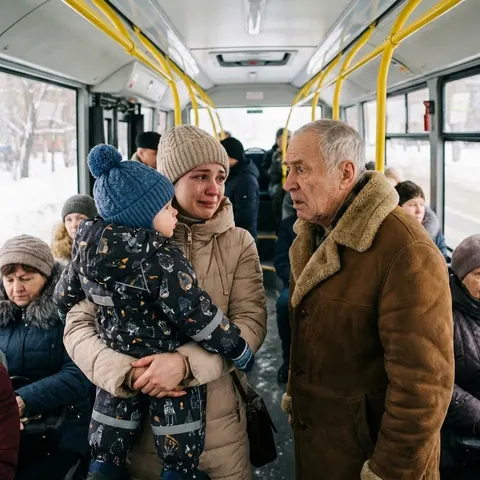
To the bitter inspector, the stranger looked like an outsider. She was dressed neatly but simply, and she seemed nervous, looking out the window to avoid eye contact. Sensing weakness, the inspector loomed over her and demanded to see a ticket in a voice that silenced the surrounding chatter.
The inspector had a "sixth sense" for fare-beaters, or so she told herself. The young woman tried to speak, but the official cut her off. "I’ve heard it all before. You people think you can just hop on and ride for free while hardworking citizens pay your way," she shouted, her voice echoing through the bus.
"I should call the transit police right now and have them process you at the station," she continued, leaning in close. The young woman explained quietly that she rarely took the bus and had been in such a rush that morning that she’d left her purse—and her phone—on the console in her hallway. She promised to pay double the next day if they would just let it go this once.
But the inspector wasn't looking for a resolution; she was looking for a win. "No money, no ride, and a heavy fine. We’re waiting for the cops at the next stop," she hissed. The situation was escalating quickly, and the young woman looked like she was on the verge of a panic attack.
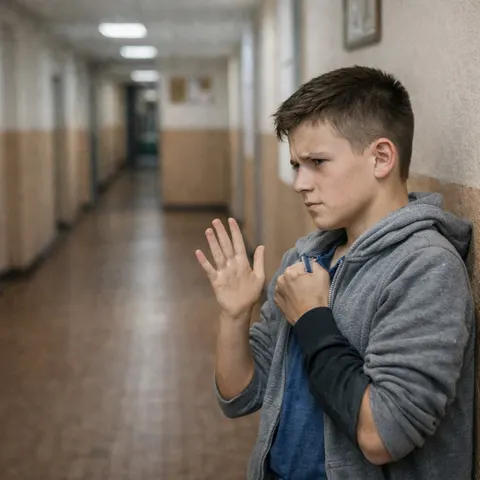
That’s when the boy with the giant backpack intervened. He had been listening to music, but he’d pulled his headphones down when the shouting started. He knew this inspector; she was a neighborhood legend for being a bully. Usually, he just ignored her, but this was different.
The boy, Mike, looked at the woman in the seat. She had long, dark hair and a kind face, and she looked completely humiliated. Without overthinking it, Mike reached into his pocket and pulled out the twenty-dollar bill his dad had given him for his lunch and bus fare for the entire week. He stepped forward and held it out to the inspector.
"Here. This covers her fare and whatever fine you're talking about," Mike said firmly. "Just give her a receipt so we know it’s official."
The inspector sputtered like an old engine, stunned by the kid's nerve. Several other passengers, finally finding their backbones, started muttering their support for the boy. Realizing she’d lost the crowd, the inspector snatched the bill, grumbled through the paperwork, and handed over a transfer slip. At the next stop, Mike adjusted his headphones and headed for the door.
He ignored the inspector’s parting shot about how "stupid kids" shouldn't waste their money on "grifters." In her world, everyone was out to get you, and kindness was just a lack of common sense. She predicted he'd regret it when he realized he'd been played.
The woman, Maya, hurried off the bus right behind him. She was shaken by the inspector's venom, especially since the woman's assumptions about her were so wildly off-base. But what hurt more was that a bus full of adults had sat in silence while a child was the only one brave enough to stand up for her.
She caught up to him on the sidewalk. "Hey! Wait!" she called out. She tried to thank him, her voice thick with emotion, but Mike just gave her a small, humble smile. He didn't seem to think he'd done anything heroic.
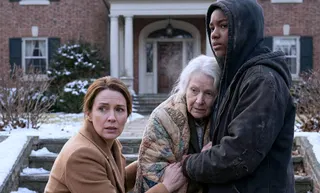
"Don't worry about it," he said, the wind whipping his jacket. "Everyone forgets their stuff sometimes. We’ve got to look out for each other, right? Besides, I could tell you were one of the good ones." He adjusted his bag and started walking toward the brick school building down the block. Maya stood there, stunned, until an older woman—a teacher who had seen the exchange—approached her.
The teacher, Mrs. Gable, smiled warmly after Maya explained what had happened. "That sounds like Mike," she said. "In a world that can be pretty cynical, he’s one of the few who still believes in doing the right thing. I’ve taught him since the first grade, and he’s always been like that."
Maya walked with Mrs. Gable toward the school gates, curious about the boy who had spent his week's lunch money on a stranger. She learned that Mike lived alone with his father, Victor. Mike’s mother had passed away years ago, and Victor had never remarried, pouring everything he had into raising his son.
They weren't wealthy—far from it. They lived in a small, rented house and watched every penny, but they were tight-knit. Mike’s big passion was basketball. He spent every spare second on the court, dreaming of playing for a big college one day.
But the school’s resources were dismal. The gym was a relic from the 70s with peeling paint, warped floors, and backboards that looked like they might fall off the wall. The city budget always seemed to find money for the suburban schools, but the kids on the edge of town got the leftovers. Mike didn't complain, though; he just worked harder. As Maya listened, a plan began to form in her mind.
Maya knew what it was like to have nothing. She had grown up in the foster care system, moving from one crowded home to another. She’d spent nights cold and hungry, but she’d also spent them studying. She had a gift for coding, and through sheer grit, she’d built a tech startup that was now worth millions.
She usually drove her Tesla to her high-rise office, but that morning, the car wouldn't start. In her rush to catch the bus, she’d left her designer bag on the table. The inspector had seen a "poor outsider," but Maya was actually one of the most successful tech CEOs in the region. She had reached the top, but she’d never forgotten the bottom.
For a while, she’d tried the "rich person" lifestyle—the galas, the expensive clothes, the fake friends. But she hated it. She preferred jeans and hoodies. She’d realized that the people who flocked to her when she was successful didn't actually care about her; they cared about her bank account. She was lonely in a very expensive way.
That morning on the bus, Mike hadn't helped her because she was a CEO. He’d helped her because he thought she was a person in trouble. That meant more to her than any industry award she’d ever won.
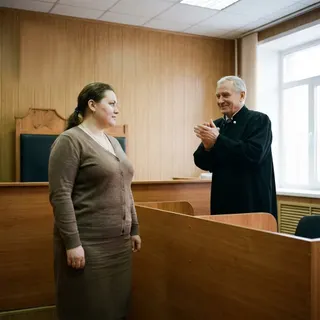
The next day, Maya met with the school’s principal. He was shocked when this unassuming woman offered to personally fund a total renovation of the school’s athletic facilities. "No strings attached," she insisted. "And I want to stay anonymous."
The renovation moved fast. Within weeks, the old gym was transformed into a state-of-the-art facility with professional-grade flooring and new hoops. The teachers whispered about "secret donors" and "political stunts," but Maya didn't care. She just wanted Mike to have a place to play.
But she felt she owed Mike something more personal. She’d found out his shoe size and his favorite team. She put together a package: top-tier sneakers, a professional basketball, and a new warm-up suit. At the bottom of the box, she tucked an envelope with a check for $500—"interest" on the twenty dollars he’d lent her.
She waited for him after school one Friday. When Mike saw her, he was confused. He tried to refuse the gift, his face turning bright red. "It was just a bus fare," he insisted. But Maya wouldn't take no for an answer. She told him she had a meeting to get to, shoved the box into his arms, and drove off before he could argue.
That night, Mike’s father, Victor, sat at their small kitchen table, staring at the expensive gear and the check. He was a proud man, a mechanic who worked ten-hour shifts to keep them afloat. He didn't like charity, but Mike explained the whole story again. Victor realized this wasn't just a handout; it was a debt of honor being repaid.
Victor decided he had to thank this woman properly. He went to the school, got her office address from a very reluctant principal, and bought the best bouquet of roses he could find. When he walked into the tech firm’s lobby, he felt out of place in his work jacket, but he didn't turn back.
When Maya saw him, she was struck by his resemblance to Mike—the same honest eyes and steady gaze. They ended up talking for two hours over coffee. Victor was surprised to find that the "rich donor" was just a down-to-earth woman who liked old movies and hated small talk.
They started seeing each other. It wasn't a whirlwind romance; it was a slow, steady realization that they fit together. Six months later, Mike came home from practice to find his dad beaming. Victor had proposed, and Maya had said yes.
Mike didn't care about the money or the new house. He just liked having a family that felt complete. "I’m cool with it," Mike joked at the wedding, "as long as I get a little brother to coach eventually."
A few years later, that wish came true. Mike, now a high school star, would spend his afternoons in the very gym Maya had renovated, teaching his toddler brother how to dribble. He’d look up at the stands and see his dad and Maya watching, and he’d remember that cold morning on the bus.
The school became a hub for the neighborhood. Maya’s "anonymous" gift had inspired other local businesses to chip in, and soon the school had a new computer lab and a music program. It all started because a kid decided that twenty dollars was a small price to pay for someone else's dignity.












Share how the story made you feel
0Comments appear after a quick automatic check. Please no links, ads or personal data.
Next to your name we show your country, determined from your IP address; the address itself is never shown, and only a hashed fingerprint of it is kept to stop spam.