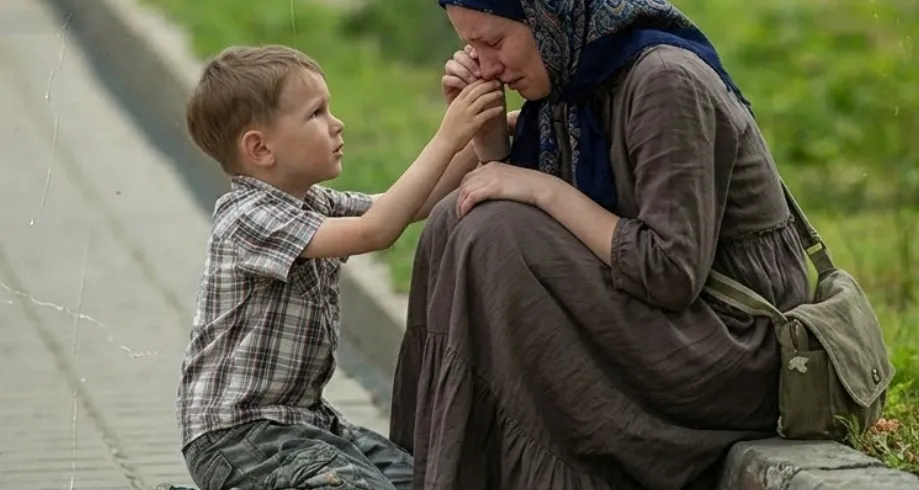
When Elena heard the news, she packed in a hurry, feeling a cold panic grip her chest. She shoved a few scattered things into a weekender, gathered her bewildered kids and tried to flag down any car willing to take them back.
On the fly she called to her own mother—who’d been staying with them to help—shouting that she was leaving immediately and that her mother shouldn’t wait up for them.
Her husband hadn’t gone with them on that trip—he’d said he had urgent work and promised he’d join them later, after a few last meetings. That small goodbye at the door now felt like a fragment from another life.
Mike had always been the steady one: warm, reliable, the kind of man neighbors trusted and friends called when they needed help. He didn’t seek attention. He’d give his last dollar if it helped someone.
Years earlier, that was how they met. Young Elena slipped on ice and hit her head; a stranger helped her up, waited with her and insisted they call an ambulance. He missed an important interview to make sure she got home. She never got his number—except fate brought him back the next evening, waiting on her stoop in a wool scarf and knit cap.
Embarrassed but grateful, she invited him in for hot tea. He showed up with a bag of oranges and cookies—small things, but thoughtful. That night started what became a lifelong partnership.
The early years were hard. Mike went to interview after interview. They had a modest apartment Elena’s parents helped secure and a lot of determination. Elena finished her degree while they scraped by, often stretching every dollar to cover groceries and rent.
When Mike finally pulled together enough to start a small trade business—selling goods regionally—he worked day and night. He was the truck driver, the accountant, the salesman. Slowly, the hard work paid off: the business grew, they hired staff, opened more outlets and their income stabilized.
With time came the house everyone wanted: a big suburban place with a sunny dining room and bedrooms for each child. Elena left paid work to raise the kids while Mike ran the company from a wood-paneled office. He kept one family rule: dinner at seven. No exceptions.
The family settled into a comfortable routine—game nights, backyard walks, and the kind of quiet contentment people aim for. Then one evening the phone call came.
They told Elena Mike was in the hospital and needed her right away. She didn’t ask many questions. She grabbed a jacket, the kids, and drove to the emergency room thinking of nothing but him.
In the sterile ICU the beeping monitors and the smell of antiseptic hit her. Mike lay pale, hooked to machines. He looked older by hours. The doctors were honest: they had done all they could. There was nothing else to try.
Elena dropped to the floor beside his bed, held his hand and asked for a glass of water. She spoke quietly—no theatrics—telling him she loved him and that she would take care of the kids. Mike opened his eyes, reached up for his coat that hung on a chair and dug out a folded scrap of paper. He pressed it into her hand and, with a stubborn little grin, asked her to follow what it said.
He wanted her to go to the address on that paper, he wanted to know the kids were where they should be, and he asked—plainly and with effort—that she stop crying because he hated seeing her so upset. A few minutes later his heart stopped. The family left the hospital in a slow, exhausted daze.
Funeral details and paperwork blurred into one long, gray week. In the small, quiet room after the service Elena realized with a jolt that in the fog of grief she had let the children sleep at the house without thinking it through. Then she remembered the paper from Mike.
The note led her to a modest apartment in an older neighborhood, where she met an estate attorney and his wife. They were polite, welcoming, and quietly professional. Over coffee, the attorney explained Mike had prepared everything ahead of time: a will, trusts for the children, and clear instructions about the business. Elena listened, numb but grateful.
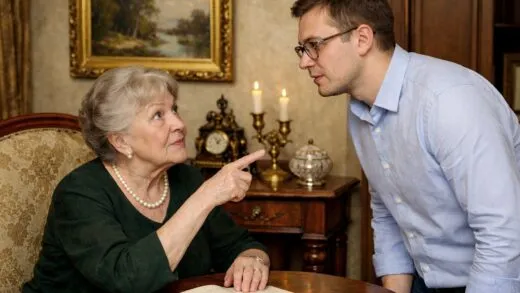
By the time she got home that evening, the house was in chaos. An unfamiliar woman was packing the children’s clothes into a large plaid bag. When Elena demanded to know what was happening, the woman snapped that she was Mike’s sister—Catherine—and that by law the house belonged to the family now that Mike was gone.
Behind Catherine stood Mike’s parents, awkward and distant. They avoided the children’s eyes. The sister spoke loudly and without much tact, insisting they had every right and that Elena should leave immediately, take the kids to her mother’s small apartment and “be reasonable.”
They accused Mike of helping strangers instead of family and implied he hadn’t put anything in writing for his wife. Their tone was entitled; their eyes flicked to the furniture and the art as if making mental notes.
Elena felt the room tilt. She could have argued and shouted. Instead she reached for the folder from the estate attorney that had been in her bag. She unfolded the will—clear, signed and notarized—and read it aloud.
Mike had been meticulous. The house and the business were left to Elena. The family’s savings were placed into trusts for the children, to be released when they reached adulthood. The documents made no mention of Catherine or Mike’s parents as beneficiaries.
Reading in a steady voice, Elena laid out what was written: the company, the home and the accounts were hers and the children’s—legally and unequivocally. The sister’s face went pale. The parents, who had been smug moments before, shifted uncomfortably.
It turned out Mike had anticipated this. He’d known the family had tendencies he didn’t trust. He’d worked with lawyers long before his illness to put protections in place so Elena and the kids would be secure. He’d thought of everything, down to specifying how the children’s money would be managed until they were adults.
Elena closed the folder, thanked the attorney and, with a calm that surprised even her, asked the visitors to leave. She told them she would call the police if they didn’t go peacefully. They left, their plans ruined and their faces showing the disappointment of spoiled expectations.
After that night, the household settled into a different rhythm. There was grief, but there was also paperwork done and practical steps taken. Neighbors brought casseroles. The kids went back to school. Elena learned to sign tax forms, meet with accountants and, when she needed to, make a firm phone call.
Mike’s foresight had given them more than money. It gave Elena the right to grieve on her own terms and the space to protect their children. He had become, in a very literal sense, their safeguard.
This is a story about practical love—the kind that plans, saves and leaves instructions. It’s not dramatic; it’s responsible. And sometimes, that steadiness is the most powerful kind of devotion there is.