
 Let’s Keep It Real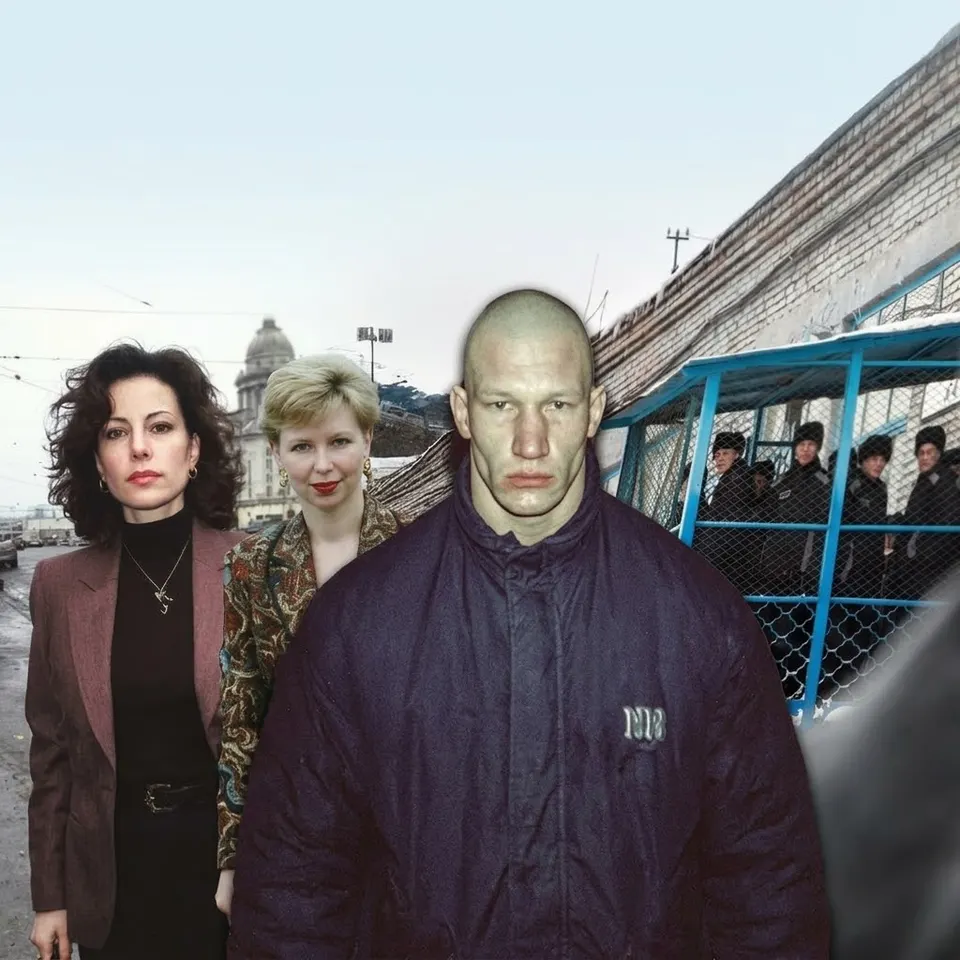
He didn’t ask for ransom and he didn’t leave notes. He took lives because, in his mind, those lives had been stolen from him first. In the mid-1990s, while some people were building small business empires, he was building a bloody private crusade—one with no room for the rich, the polished, or the successful.
People called him “Brick,” and before long that nickname sent a chill through the whole metro area. The summer of 1994 was unusually hot. The country, still trying to steady itself after one upheaval, was already drifting toward another.
The air smelled like easy money and cheap liquor, flashy status symbols and bargain-bin groceries. Newly prosperous families were putting up big brick homes with tall fences, trying to wall themselves off from the old world. That old world was still hanging on in tired apartment blocks and fading mill towns.
Those two worlds existed side by side, separated by an invisible wall of resentment and envy. In the cracks of that wall, a monster took shape—one the whole country would soon hear about. It began in a pine-lined suburb on the east side of town.
There, among modest homes and backyard fences, a new local business class was taking root. Some people opened beauty shops. Others ran convenience stores selling imported beer and candy bars. Forty-two-year-old Eleanor Velasco was one of them.
Locals called her the queen of retail on the east side. Two grocery stores near the commuter station and a small pharmacy brought in the kind of money that seemed enormous to her neighbors. Eleanor was confident, sharp, and used to making every decision herself.
She had been widowed in the late 1980s when her husband, an engineer, died of heart failure. Since then, she had supported her college-age son and kept the whole business running on her own. Her cherry-red sedan, bought just a year earlier, was both a symbol of success and a challenge to the drab, struggling world around her.
She liked driving fast, playing music loud, and smoking expensive cigarettes. The neighbors watched her with a mix of admiration and barely hidden resentment. “She got all that somehow,” an old woman on a bench would mutter.
“Now there’s a woman,” the men by the little kiosk—one she owned—would say with a shake of the head. On July 12, Eleanor made her usual rounds. Back then, people still carried cash in bulky gym bags.
Shakedowns, protection money, local toughs—those things existed, sure, but Eleanor knew how to handle herself. She paid who needed paying, and they left her alone. That evening she was supposed to be home by eight.
Her son had dinner ready and waited, but by nine the phone still hadn’t rung. By ten he had started calling her friends and business contacts. No one had seen Eleanor after six o’clock.
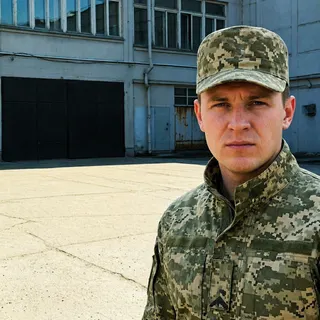
The last sighting came from the pharmacy, where she had been talking to a tall man. He was heavily built, with close-cropped hair and a square face—like a brick. A longtime pharmacist later gave that description to detectives.
The man had helped the owner load heavy boxes into the trunk. Eleanor laughed, thanked him for the help, and drove off. The pharmacist assumed he was a new security guy or maybe a driver.





Share how the story made you feel
0Comments appear after a quick automatic check. Please no links, ads or personal data.
Next to your name we show your country, determined from your IP address; the address itself is never shown, and only a hashed fingerprint of it is kept to stop spam.