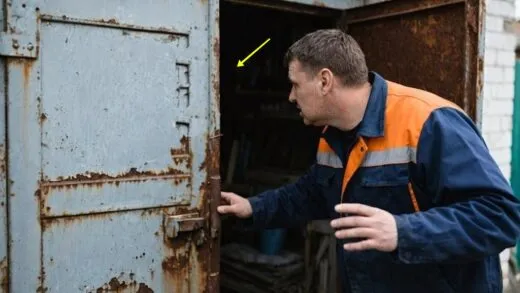

Her parents’ old house stood at the edge of town, backed up against the woods. Her mother had died years before. Her father had passed two years ago, his heart worn out by a lifetime of hard work.
Kate unlocked the rusted padlock with shaking hands. Inside, the house smelled of dust, dry herbs, and emptiness. She sat down on the wooden bench by the stove without even taking off her coat and, for the first time all day, let herself cry.
“It’s okay, babies. It’s okay,” she whispered, resting both hands over her still-flat stomach. “We’ve got each other. That means we’re a family.”
The first months of her new life were brutal. Money was short to the point of panic. Pregnant with triplets, Kate took whatever work she could find.
She weeded gardens, picked berries and mushrooms in the woods to sell, and scrubbed floors at the town office. At first, people kept their distance, casting sideways looks at her growing belly.
“Good Lord, that really is triplets,” said Mrs. Annie, the elderly neighbor who had once worked as the town nurse. “Honey, you’re all bones. You ought to be eating for four, and you’re living on potatoes.”
That gruff, kind woman became Kate’s lifeline. Every day Annie brought over fresh milk, eggs, and whatever else she could spare. She taught Kate how to brew herbal teas and how to take care of herself the old-fashioned way.
“Listen to me,” Annie would say, setting chamomile tea on the table. “Rich people like that? They’re like weeds. Deep roots, lots of spread, not much good fruit.”
“You, on the other hand, are wheat. Folks can stomp you into the mud, and you’ll still grow toward the light.”
The pregnancy was hard on Kate’s body. By the seventh month, her legs were so swollen she had to brace herself against the walls to move around the house.
Nights were the worst. The babies kicked and rolled as if they were already determined to make themselves known to the world.
Then one winter night, in the middle of a driving snowstorm, labor started early.
Her old cell phone couldn’t get a signal in the weather, and no ambulance was getting up that road anyway.
“Annie, please help me,” Kate cried, gripping the metal bedframe until her hands hurt. “I can’t do this.”
“Yes, you can,” Annie said in the calm, no-nonsense tone of someone who had seen plenty in life. She stoked the fire, heated water, and got to work.