Even the prison paperwork was contradictory: one version suggested suicide, another a massive heart attack. In the second official account, Brilliant supposedly felt ill while washing in the shower in front of other prisoners, then collapsed and died almost instantly. In any case, the official medical documents listed the cause in dry bureaucratic language as a simple accident.
What is notable is that immediately after news of Babushkin’s death, major prison unrest broke out in camps across the country. Hidden calls for disorder, passed through secret notes and criminal messages, spread quickly through the prison system. Inmates refused to go to work, got hold of alcohol, ignored lawful orders from prison officials, and in some cases even took guards hostage.
These spontaneous uprisings were harshly put down by armed special units, but the effect never lasted long. Before long, angry prisoners would start up again, demanding more respect for inmates’ rights. Through sheer persistence and solidarity, they eventually won some real easing of the strict prison regime.
For example, in the summer heat, inmates were finally allowed to wear light short-sleeved shirts, and on cool evenings they could put on comfortable sweats. In addition, the humiliating practice of shaving prisoners’ heads completely was largely replaced by more ordinary short civilian haircuts. Prison food rations were also increased, and the number of permitted visits with close family members was officially expanded.
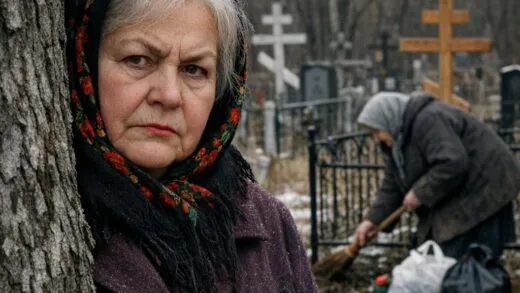
As for Vasya Brilliant himself, he was laid to rest on a remote section of the local city cemetery near the special colony. At first, his lonely grave was marked only by a plain wooden prison post with no name, no surname, and no exact dates of birth or death. The only identifying mark on the simple stake was his prison inventory number.
Some time later, however, a proper stone monument appeared at the head of the grave, brought in from far away. It was carefully installed by Babushkin’s loyal associates—well-known thieves-in-law Vasya Buzulutsky and Viktor Maksimov, better known in underworld circles as Malina. Not long after that, the modest first marker was replaced by a truly imposing granite memorial weighing roughly eight tons…