
 Let’s Keep It Real
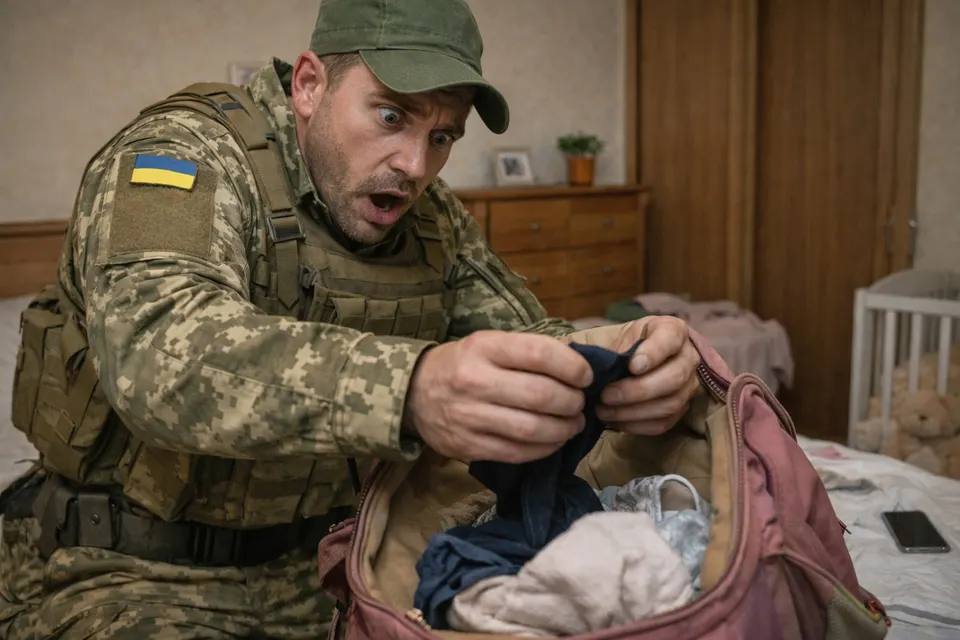
Walking slowly toward the small-town general store, John “Mac” Miller muttered a quiet curse under his breath. As usual, the local gossip brigade had claimed the benches out front, acting as if their own chores had been finished hours ago. These women lived for the chance to lean in and dissect someone else’s business.
As a long-time state park ranger, Mac couldn’t stand the whispers; the constant prying made his jaw ache. Fortunately, he didn’t have to deal with them often. When the department needed someone to man the remote station deep in the hills, Mac had jumped at the chance. A bachelor with no ties, he had nothing to lose. His choice to live like a hermit was exactly what kept the local rumor mill churning.
To the town, he was a mystery—a capable, fit man who chose isolation over a comfortable life in the suburbs. But Mac hadn’t always been a recluse. Back in his younger days, everyone just called him Johnny. He was a local football star, a hard worker at the family garage, and the most eligible bachelor in the county.
Back then, his heart belonged to a girl named Annie. They were high school sweethearts, and on the night of their graduation, she promised to wait for him while he served his hitch in the Army. She kept that promise perfectly.
When his service ended, Johnny practically flew back to their small mountain town. They didn’t waste any time—they got married at the courthouse, had a modest reception at the VFW, and started building a life together. However, just eight months after the wedding, Annie went into labor unexpectedly.
The boy was small and weak, but the doctors assured them he was healthy, just early. It was in that moment that the first seeds of doubt began to take root in Johnny’s mind. At first, he tried to fight the dark thoughts.
He wanted to believe Annie was incapable of betrayal; their love had always felt solid. But, as is often the case in small towns, “well-meaning” friends were quick to offer their own versions of the truth. They were more than happy to fill him in on how Annie had supposedly spent her time while he was overseas.
And the young, naive Johnny believed them. He felt he had no reason to doubt the source. After all, this bitter pill wasn’t handed to him by a random gossip.
The secret came from his best friend, a man he trusted like a brother.
It happened on a Friday evening while they were working on Johnny’s old truck. Pete had volunteered to help swap out the transmission, a heavy job that required two sets of hands.
After they finished, they sat on the tailgate to cool off with a couple of beers. Annie and the newborn had been home for about a week. For some reason, Annie had always been a bit cold toward Pete, a fact Johnny had noticed but never questioned.
Wanting to keep the peace, Johnny had suggested they have their drinks out in the garage. It was a typical guy moment—grease on their hands, the smell of motor oil in the air, and a quiet conversation.
After the second beer, Pete cast his line. He asked Johnny how it felt to finally be a father.
Johnny smiled, admitting he was still getting used to it. He confessed that the baby seemed so fragile he was almost afraid to hold him. He was a proud, if nervous, new dad.
Pete just gave a short, cynical laugh. He remarked that all babies look the same when they’re that small. Then he added, with a sharp edge to his voice, that it didn’t really matter if they belonged to the husband or someone else.
The comment made Johnny freeze. He reached for another beer, his muscles tensing. Pete didn’t stop; he kept twisting the knife.
He asked if Johnny really planned on putting his name on the birth certificate. That was the breaking point. Johnny stood up abruptly and grabbed Pete by the collar of his work shirt.
He demanded Pete stop talking in circles and say exactly what he meant. Pete, struggling against Johnny’s grip, finally spat out his ugly story.
He described in detail how Annie had supposedly been seen out at bars in the next county while Johnny was deployed. He claimed she was often seen coming home in the early hours of the morning, looking a little too happy for a woman whose husband was in a war zone.
According to Pete, the whole town knew. He stepped back toward his own car, throwing out one last insult: that only a fool would raise another man’s mistake.
Johnny felt a wave of pure, unadulterated rage. He slammed his fist onto the workbench. Blinded by anger, he demanded to know the names of the men Pete was talking about.
But Pete didn’t stick around. He hopped in his truck and sped off into the twilight. Fueled by betrayal and the alcohol, Johnny went into the house and grabbed a bottle of bourbon from the cabinet.
He couldn’t stand to be in the house. They had moved into his parents’ old place right after the wedding. It was a house filled with memories of his folks, who had passed away in a car accident shortly before he shipped out. Annie was an orphan herself, raised by a strict aunt in the next valley, and she had been so happy to finally have a home of her own.
Johnny drank through the night. By the time the sun started to peek over the ridge, he was in a dark, dangerous place. Stumbling, he went to the gun safe in the den and pulled out his hunting rifle.
He was seen by a neighbor, Mrs. Gable, as he walked toward the back porch with the weapon in his hand. She was the town’s unofficial news reporter, and soon, curtains were twitching all down the road.
He burst into the bedroom, the barrel of the rifle leading the way. He shouted at Annie to get up. She woke instantly, but strangely, there was no fear in her eyes—only a deep, sudden sadness.
She stood up, placing herself firmly between Johnny and the crib. She told him he was drunk and needed to sleep it off, but her calm only made him angrier. He looked at her with a sneer he’d never used before.
He told her to pack her things and take the “stray” with her. Annie’s expression shifted to pure shock. She asked him how he could say that about his own son.
That sent him over the edge. He screamed that the boy wasn’t his and thanked his “real friends” for telling him the truth. Annie stared at him for a long, silent minute, her face hardening.
Without another word, she began throwing clothes into a suitcase. With a bitter voice, she asked if Pete was the one who had “enlightened” him, noting that it all made sense now. Her hands shook as she packed the baby’s bottles and onesies.
Clutching the baby to her chest, she walked out the door. Johnny followed her, rifle in hand, all the way to the edge of town. He marched her like a criminal, showing no mercy in his drunken haze.
Annie walked down the gravel road with her head held high, even as the neighbors watched from their porches. She didn’t look back once.
A few neighbors tried to intervene, but Johnny’s erratic behavior kept them at a distance. At the town limits, he stopped, fired a shot into the dirt, and told her if she ever showed her face again, she’d regret it. He turned around and stumbled back to the empty house, where he collapsed into a black, dreamless stupor.
He didn’t wake up until late the next afternoon. The hangover was brutal, the kind that makes your bones ache. Still half-conscious, he called out for Annie to bring him some water.
When he opened his eyes and saw the rifle leaning against the wall, the memories of the previous morning hit him like a physical blow. The week that followed was a blur of self-loathing and silence.
He didn’t touch another drop of alcohol. But he couldn’t work, either. He was suffocating under a blanket of depression.
He realized that life without his “unfaithful” wife was unbearable. Eventually, he decided to clear out her things, thinking it would bring him some peace. He started tossing her remaining belongings into boxes with a frantic energy.
He reached into the bottom drawer of the dresser and found the baby’s medical folder. He was about to throw it in the trash without looking, but a handwritten note from the pediatrician caught his eye. In plain English, it stated that the infant had been born significantly premature.
The file noted the gestational age: 31 weeks. Johnny felt the air leave his lungs. If the baby was seven months along, the math worked perfectly. The child was his.
He ran out of the house and drove like a madman to Pete’s place. He found his “friend” on the porch, already halfway through a six-pack. Johnny pinned him against the siding and demanded the truth.
Pete just smirked, his eyes glassy. But Pete’s mother heard the commotion and came running out. Terrified of what Johnny might do, she broke down in tears and grabbed Johnny’s arm.
She confessed that Annie had been a saint. She told Johnny that Pete had made up the stories out of spite. It turned out Pete had tried to move in on Annie while Johnny was in the Army, thinking he could take advantage of her loneliness.
But Annie had shut him down hard, even threatening him with a tire iron if he didn’t leave her alone. Pete started laughing then, a high, hysterical sound. He yelled that if he couldn’t have her, no one should.
He admitted he wanted to destroy what they had because he was jealous of the way she looked at Johnny. He called her a fool for waiting for a guy who would believe a lie so easily.
Johnny didn’t stay to hear the rest. He was already back in his truck, racing toward the next valley. He had one goal: find Annie and beg for a forgiveness he knew he didn’t deserve.
But he was too late. Annie’s aunt met him at the door with a look of pure ice. She told him Annie had taken the baby and left for the city to find work. She didn’t leave a forwarding address.
The aunt slammed the door in his face. Johnny spent the next few months searching, but Annie had vanished into the world.
Johnny hired private investigators. He spent every weekend in the city, checking every lead. He drove through every small town in the tri-state area.
But it was as if she had never existed. By the following spring, broken and hollow, he took the job as a back-country ranger. He needed the isolation.
The job was his penance. He couldn’t stand the way people in town looked at him—some with pity, others with disgust. He became the man in the woods, the one people whispered about.
Twenty years passed that way. The townspeople still gave him a wide berth when he came in for supplies. The whispers never truly stopped.
But today, he had to go to the store. The regional office had informed him that he was getting an intern for the summer. He needed to stock up on groceries for two.
Even if it was just a college kid looking for credit, the extra hands would be helpful. The hiking trails were getting overgrown, and he wasn’t as fast as he used to be.
The poachers had been getting bolder lately, too. He needed someone with young legs who could keep up in the brush. He was actually looking forward to the company, though he’d never admit it.
Early the next morning, a dusty green SUV pulled up to the station. The district supervisor, Greg, climbed out and stretched his back with a loud groan.
Greg looked around at the pristine forest and told Mac he had the best office in the world. Mac just grunted. He asked where the kid was, noticing Greg had arrived alone.
Greg chuckled and pointed back toward the trailhead. He explained that the kid wanted to hike the last three miles to get a feel for the terrain. Greg assured Mac that the boy was a firecracker—spent the whole drive asking about conservation and local history.
A few minutes later, the intern appeared at the edge of the clearing. Mac watched him approach, and he was immediately impressed. The young man was tall, broad-shouldered, and moved with an easy confidence.
He had an honest face and a firm handshake. He introduced himself as Kyle. He didn’t act like a city kid; he went straight to the pump to wash his face and then sat down at the outdoor table when Mac offered him some lunch.
Over sandwiches, Kyle talked about the trees and the wildlife he’d seen on the hike up. Mac found himself nodding in approval.
The kid was smart and clearly loved the outdoors. It wasn’t just a job to him. Mac felt a strange, immediate connection to the boy.
Over the next month, they fell into a perfect rhythm. Mac started calling him “son,” a slip of the tongue that Kyle didn’t seem to mind. They didn’t talk much about their personal lives, focusing instead on the work.
Kyle mentioned he lived in the city with his mom and that he was working toward a degree in forestry. He had a girlfriend back home and big plans for the future.
Mac kept his own past locked away. He liked the kid too much to tell him what kind of man he had once been.
He wasn’t proud of his history. He had destroyed the only good thing he ever had. Then, the unthinkable happened.
They were on a routine patrol near the north ridge when they stumbled upon a hidden camp. Three men were butchering a deer they had taken out of season. They were surrounded by empty beer cans and looked agitated.
When Mac and Kyle stepped into the clearing, the men reached for their rifles. A heated argument broke out. Mac tried to de-escalate, but these weren’t just locals looking for meat; they were looking for trouble.
A shot rang out, echoing through the canyon. It was meant to be a warning, but the shooter was shaky and drunk.
Mac saw the barrel swing toward Kyle. Without thinking, he threw himself in front of the boy. The bullet caught Mac in the chest, knocking him backward into the dirt.
The poachers, realizing they had just shot a state officer, panicked. They scrambled into their truck and tore off down the logging road. Mac lay on the ground, the world starting to go grey at the edges.
Kyle didn’t freeze. He used his shirt to apply pressure to the wound and called for an airlift on the radio. He stayed over Mac, talking to him, telling him he had to stay awake.
In the back of the helicopter, Mac gripped Kyle’s hand. He felt the end coming and knew he had to say it. He asked Kyle to find a woman named Annie Miller in the city. He wanted to send a message of apology.
He told Kyle that he had never stopped loving her or the son he had thrown away. He figured a kid with Kyle’s tech skills could find her in a database somewhere.
It was his dying wish. Mac had lost a lot of blood, and his heart was slowing down.
The flight medic was working frantically, but he wouldn’t look Kyle in the eye. It didn’t look good. Kyle, tears streaming down his face, promised he would find her and kept shouting at Mac to keep his eyes open.
When Mac finally woke up, the room was quiet. The harsh hospital lights had been dimmed. He felt heavy, as if he were pinned to the bed by lead weights.
He saw a silhouette sitting in the chair by the window. He blinked, trying to clear his vision. Was it her?
He figured he must be dead. It was the only way Annie would be standing in the same room as him. He felt a wave of peace, thinking they were finally in a place where the lies couldn’t reach them.
The heart monitor began to beep faster. A doctor came in, checked the vitals, and smiled. He told Mac he was a lucky man and that he’d pulled through the worst of it.
The doctor told the person in the chair they could have a minute, then stepped out. Mac watched as the figure approached the bed. The vision of Annie didn’t disappear.
It was her. She was older, with a few lines around her eyes, but she was still the most beautiful woman he’d ever seen. Mac reached out a trembling hand, and when her skin felt warm and real, he started to cry.
The next morning, the sun filled the hospital room. Annie was still there, holding his hand. Mac’s voice was raspy, but he forced the words out. He told her he was sorry for every second of the last twenty years.
He told her he knew the truth about the baby being early. He told her he had spent every day regretting that morning on the road. Annie just squeezed his hand and told him to be quiet and rest.
She told him she already knew. Mac was confused. He asked how she could possibly know what he was thinking.
Annie looked toward the door and said that their son had told her everything. She said Kyle had called her from the helicopter, repeating every word Mac had said. Mac looked up just as Kyle walked into the room, looking tired but wearing a massive grin.
Kyle walked over and, for the first time, called him “Dad.” Mac felt his heart swell so much he thought the stitches might pop. It was a miracle—the kind you only read about in the Sunday papers.
A month later, Mac was back on his feet. He walked through his old hometown, not as a hermit, but with Annie on his arm.
The gossips were still there, of course. Their heads turned so fast it was a wonder they didn’t get whiplash. But Mac didn’t care about the whispers anymore.
He had his wife back, and he had a son who was a hero in his own right. The town could say whatever it wanted.
They didn’t need a big ceremony or a new wedding. As it turned out, Annie had never filed the final divorce papers either. She said she always had a feeling he’d come to his senses eventually.
They moved back into the old family house, and Kyle came up every weekend. Mac retired from the ranger service to open a small woodworking shop.










Share how the story made you feel
0Comments appear after a quick automatic check. Please no links, ads or personal data.
Next to your name we show your country, determined from your IP address; the address itself is never shown, and only a hashed fingerprint of it is kept to stop spam.