“Mr. Morozov, we found something interesting,” she said. “A significant number of the shell companies used to move the money were registered in your wife’s name.” I sat down hard on Art’s old couch while he muted the television. Elena wasn’t just unfaithful. She was part of it.
Kazantsev had used a greedy, image-conscious woman as legal cover for stolen money. Maybe she hadn’t understood the full scope of what she was signing. Maybe she thought it was tax planning or routine paperwork. But her signatures were real, and they were everywhere—formation documents, banking authorizations, corporate filings. Now she was facing serious charges for aiding money laundering.
My phone buzzed again. Another message from Elena. “Dima, please call me. I need your help.” I turned the phone off and set it face down on the kitchen table. Outside the frosted window, snow was falling in thick, steady sheets over the city. Christmas was going to be a cold one.
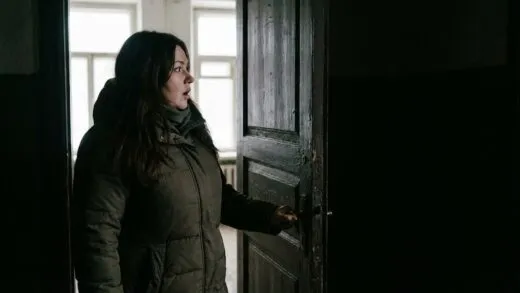
A few hours later, there was a hesitant knock at Art’s door. Elena stood in the hallway without makeup, in a wrinkled coat, her eyes red and swollen from crying. It took me a second to connect this woman with the polished one from the conference room. “Dima, please,” she said. “I need money for a real lawyer or I’m going to prison.”
“The prosecutor wants actual time,” she said, voice breaking. “Five years, Dima. Do you understand that?” I leaned against the doorframe and folded my arms. “You signed the paperwork,” I said. “You put your name on those companies.”
“He told me it was standard corporate structuring,” she said. “Tax optimization. That’s all. I swear I didn’t know they were fake companies.” Tears ran down her face now, and this time they looked real. Not manipulative. Just scared.
“You wanted to be part of his world,” I said. “Now you are.” Then I gave her the only answer I had left. “Goodbye, Elena.” I closed the door and locked it. Her crying carried through the hallway for several minutes, then faded into the sound of heels on concrete stairs.