
— “That’s because I was digging by the creek. There’s a specific kind of clay there. My grandmother said that earth has a way of drawing things out because it’s fed by the mountain springs.”
Sam spoke with the natural confidence of someone raised on old-world wisdom. Andrew shook his head. This was getting ridiculous. He was a successful tech executive with an engineering degree. He shouldn’t be standing here listening to stories about magic mud.
— “Alright, that’s enough. Sam, it was nice meeting you, but we have to get going.”
— “Dad, wait!” Matthew gripped his father’s hand tighter than usual. “Please. Just once. What’s the worst that could happen?”
Andrew looked at his son. Matthew rarely asked for anything anymore. Since the accident, he’d become a “perfect” patient—quiet, obedient, and hollow. Seeing a flash of will return to him was both heartening and terrifying.
— “Matthew, I know you’re looking for hope, but this isn’t scientific. Mud doesn’t cure blindness.”
— “My grandmother helped three people this way,” Sam insisted. “One was a girl who lost her sight after a terrible fright. The doctors couldn’t explain it, but after a few sessions with the clay, she started seeing again.”
Andrew was about to shut it down when he heard a familiar voice behind him.
— “Andrew? What’s going on?”
He turned to see Karen, his wife, approaching with a couple of grocery bags. She’d run a few errands while he took Matthew to the park, their usual Sunday routine.
— “Hey, honey. This is Sam. He was just talking to Matthew.”
Karen looked Sam over—the worn clothes, the bare feet. Her expression shifted to one of guarded concern.
— “Talking about what?”
Sam, sensing the tension, took a step back.
— “I just wanted to help. I think I can help him see again.”
Karen gave a dry, humorless laugh.
— “Is that so? And how exactly do you plan on doing that?”
— “With clay from the mountain. My grandmother taught me.”
— “Your grandmother?” Karen looked at Andrew with a ‘are you kidding me?’ expression. “Andrew, please tell me you aren’t taking this seriously.”
— “Of course not. I was just…”
— “I want to try, Mom,” Matthew interrupted.
Karen knelt beside her son’s chair, her voice softening.
— “Matthew, honey, I know you want to get better. We all do. But that’s not how medicine works. We have to trust the doctors, not…” She glanced back at Sam.
— “But Mom, what if it’s true? What if it works?”
Karen sighed and stood up, looking at Andrew.
— “We’re going home now.”
Andrew felt torn. Part of him agreed with Karen—it was absurd. But another part of him, the part that had been grieving for two years, wondered: *What if?*
— “Sam,” Andrew said, stopping the boy as he started to walk away. “Where do you live?”
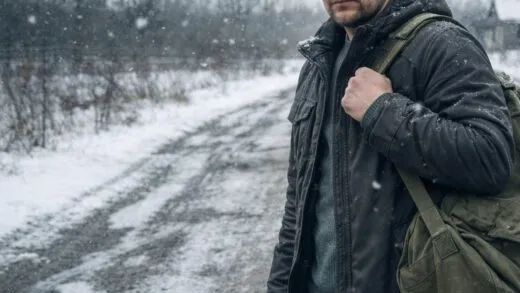
— “Down on the South Side, near the old market. Sometimes I stay at the shelter at the church when my aunt’s place is too full.”
Andrew nodded. He knew the area. It was a rough part of town.
— “And this grandmother of yours… she really helped people?”
— “Andrew!” Karen hissed.
— “It’s just a question, Karen.”
— “Yes, sir. Everyone knew Mrs. Rose. She never charged a dime. She said her gift was for helping people.”
— “And she taught you how to do it?”