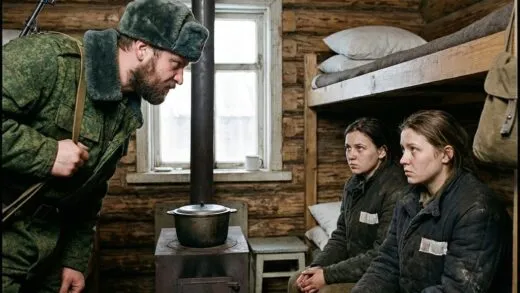

This criminal case never made it into the public record. The file folders were burned in a furnace behind the county courthouse in late 1989. That winter the little town of Millfield was shaken. Someone started delivering quiet, precise retribution to the sons of power — the commissioners’ boys, the prosecutor’s son, the plant manager’s kid. Young men were found dead in strange, tight circumstances.
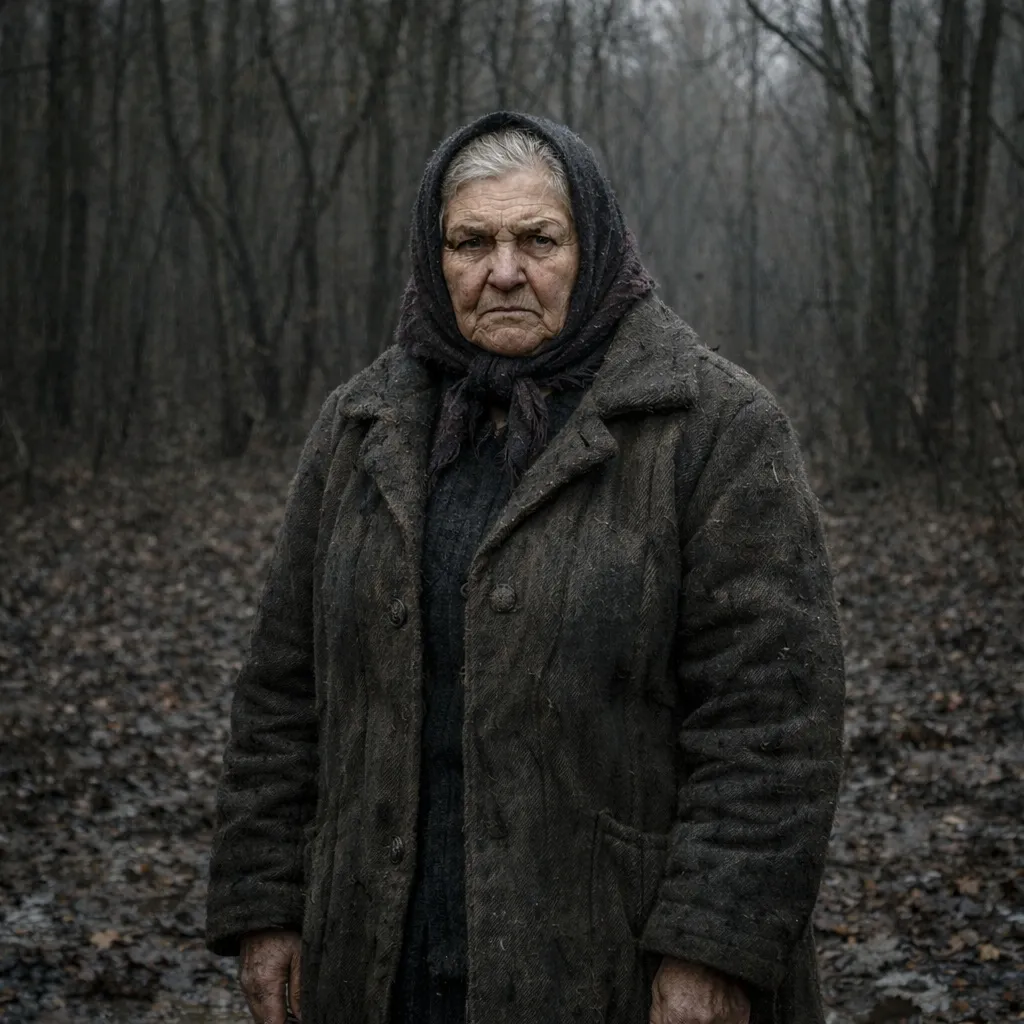
No witnesses, no shell casings left in plain sight. The police worked themselves to a standstill, hunting for a hired crew, a motorcycle gang, or some out-of-town fixers. They pictured a professional man. It never occurred to them that the harsh sentence on the town’s privileged could come from a seventy-year-old woman in scuffed boots carrying a canvas grocery bag. They made a fatal mistake.
They had killed her granddaughter and had the gall to smirk while doing it. They didn’t know they had woken Eleanor Walker — a former Army sharpshooter who hadn’t missed her mark since ’44. It was late 1989. Millfield was wet and gray. Eleanor had been sitting in the county prosecutor’s office for five hours.
She wore an old wool coat and a faded scarf. Her hands clutched a canvas grocery bag with documents. Secretaries and investigators moved about with the brisk, indifferent air of people who’d seen too much grief. Finally the door to Office Four opened.
“Walker,” the young investigator barked. Eleanor stood. The room smelled of stale coffee and cigarette smoke. The investigator shuffled papers. “We ran your complaint. No grounds for criminal charges. Case closed.”
The room dropped into a sharp silence. “No grounds,” Eleanor said, voice dry as autumn grass. “My granddaughter Katie was found out on the lot. She was nineteen, a college student training to be a teacher. The coroner’s report says severe trauma and signs of physical assault.”
“The report also says Ms. Walker was intoxicated,” the investigator cut in with a smug smile.
“She didn’t drink,” Eleanor replied calmly. “She’d just left the library. They don’t drink when their parents are watching. You’ve got witnesses who saw a black Cadillac by the library and saw her pushed into a car with the tag 0001.”
The investigator flung a pen onto the table. “Enough. There was no Cadillac. Bradley Stanton and his friends were at the bathhouse that night. They’ve got ironclad alibis from respectable people.”
“Respectable,” Eleanor repeated slowly, studying him. “You mean his father, the county commissioner?” The investigator’s face flushed. “Save the politics. Kids need better upbringing. Stop spreading rumors about decent people, or we’ll file a slander charge. Go home, Mrs. Walker. Case closed.”
Eleanor looked at him. No tears came to her faded blue eyes. There was only a cold, empty steadiness. “Understood,” she said. Then she left.
The wind cut at her face as she stepped outside. Katie was everything Eleanor had left. She’d raised the girl from infancy. Katie wanted to teach and lightened the gray corners of their life. Three nights earlier that light had been snuffed out by four boys in a black Cadillac.
Sons of the town’s powerbrokers. They believed their fathers’ positions made them untouchable. Eleanor returned to her small duplex. Katie’s room was unchanged: notes on the desk, a stuffed bear on the bed. In the hallway mirror she saw a stooped, ordinary old woman.