But the detective didn’t need more. He understood enough. Or rather, he understood the main thing: those two had gotten what was coming to them. And somewhere in town there was still one more man waiting his turn.
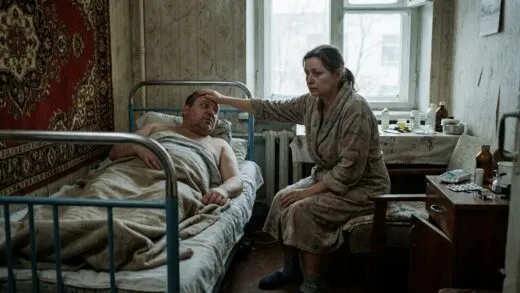
Eleanor behaved flawlessly during those days. Worked overtime—production had to be met. Visited Susan every day with little treats.
Sometimes hand pies, sometimes homemade fruit compote. The nurses were touched: what a devoted mother. With the women in the boardinghouse she discussed the frightening news.
“Did you hear about young Gold? Awful. And same as Peters, they say. Maybe there’s some kind of maniac in town?” Meanwhile Susan kept improving.
She could walk around the room now, even into the hallway. The physical wounds were healing. Emotionally it was slower: she still startled at sudden sounds, hated being alone, especially after dark.
But there was progress. She had started reading her medical textbooks again, the ones her mother brought. “I want to go back to school, Mom. I can’t spend the rest of my life being afraid.”
The third man from that terrible night was Samuel Croft. He lived on the other side of town in barracks for discharged servicemen. The scar across his left cheek came from the war.
Shrapnel in 1943. The tattoo on his hand was an army mark, done in a field hospital out of boredom. After the war he worked as a loader at the packing plant and drank hard, like many veterans who never quite found their footing in peacetime.
Croft did not hear right away about what happened to Peters and Gold. In the barracks they didn’t read newspapers, and rumors traveled slowly. But when they reached him, neighbors later said Samuel stayed inside his room for three days.
Then he came out sober, for the first time in months, and went to the train station. He meant to leave, apparently, but whether there were no tickets, no money, or no nerve, he came back. After that he became careful.
After work he went straight home. No more taverns. In the evenings he locked every bolt. Eleanor watched him longer than the others.
Croft was the hardest. A veteran, used to danger, the kind who could smell it. He seemed to know someone was watching him. Changed routes, looked over his shoulder, sometimes turned suddenly down alleys to see if anyone was following.
But Eleanor was patient. She waited three weeks, watched, wrote things down, analyzed. And she found the weak spot. On Sundays Croft went to the cemetery to visit his mother’s grave. She had died while he was overseas.
That was the one day he let his guard down. He drank there by the fence. Sat for hours, talking to the dead woman, sometimes crying.
It was strange to see this rough man with the ruined face crying over an old grave, asking forgiveness for something. Sunday, May 21. The day was gray and drizzling…