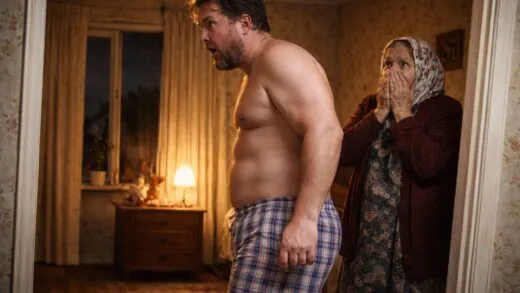

The gray-haired officer studied him for a long moment before asking the first question. “Detective Warren, you handled the original investigation into the assault on Susan Carter?” “I did.”
“And what did you establish?” “That a crime occurred. That there were three perpetrators. And that without a statement from the victim and without witnesses, the case had no realistic chance in court.” The officer watched him closely. “Unofficially?”
Warren paused, then answered. “Unofficially, I knew who the three were. Peters, Gold, Croft. But knowing and proving are two different things.”
“And when they were attacked, did you connect the events?” “Of course. But again, no evidence. The victims won’t talk. No witnesses. What exactly was I supposed to do?”
The officer leaned back. “And if there had been evidence? If you knew for certain it was a mother taking revenge for her daughter?”
Warren looked him in the eye. “Sir, I have two daughters. Fifteen and seventeen. If someone had done that to one of them… I wouldn’t have waited around for justice.”
“I’d have handled it myself. And any father, any mother, would understand that. We can talk all day about the law, about how vigilante justice is unacceptable. But there are crimes the law doesn’t punish in any way that feels equal to the harm done.”
“And then…” “And then what?” the officer asked, tension in his voice. “And then the old rule takes over. You break a life, and your own gets broken back.”
“They ruined that girl. In return, they were ruined. They took from her the chance at a normal family, normal trust, maybe children. And the same was taken from them. Is that harsh? Yes. Illegal? Certainly. Fair? That’s for each person to decide.”
That evening the review team met behind closed doors.
What they discussed remained private. But the next morning the decision was announced: the cases involving the attacks on Peters, Gold, and Croft were closed for lack of evidence. The injured parties declined to press charges, no witnesses were available, and no physical evidence had been recovered.
The team left for the capital, leaving the town alone with its secret. Eleanor heard the decision at work. The shop foreman called her in and told her officially.
She listened in silence, nodded, and returned to her machine. But her hands were shaking. For the first time in all those months, Eleanor Carter’s hands were shaking.
Not from fear. From relief. It was over. Her daughter had been avenged, the guilty had been punished, and she, Eleanor Carter, would remain free to help Susan build a life again.
Susan Carter returned to nursing school that fall. Her instructors noted a special seriousness in her studies. As if she were trying to make up not only for lost months, but for something larger.
In 1952 she graduated with honors and went on to medical school, eventually becoming an OB-GYN. In 1955 she married a widower with two children. Women came to Dr. Susan Carter-Smith from all over the region.
She treated the women other doctors turned away. She helped victims of assault not only medically, but emotionally. She never judged. Never asked unnecessary questions…