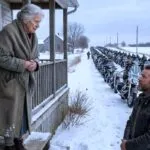

He narrowed his eyes, recalling the details. “The ink had faded, so my son and I had to use a magnifying glass to make out the digits. But we got them. And in the same box, under a stack of newspapers, we found an unmailed letter.”
With some effort, Fred stood, reached to a dusty shelf, and brought down a yellowed envelope. On it, in a neat hand Eleanor recognized instantly, was her home address. “Looks like she never finished it,” Fred said quietly. “Or maybe she ran out of time.”
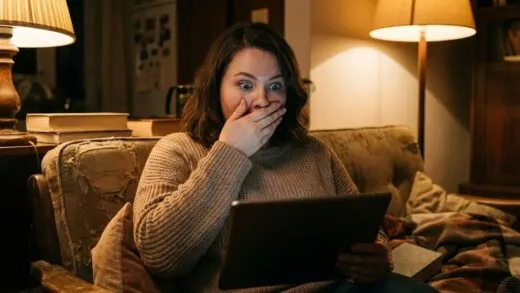
Eleanor’s breath caught. With shaking hands she took the envelope as if it were something sacred. Carefully, afraid the paper might tear, she unfolded the lined sheet inside and read through tears:
“Mom, Dad, I’m so sorry. I was wrong about so much, and I know now you were trying to protect me. I’ve thought about that fight a hundred times. I miss you both more than I can say, and I want to come home and tell you that in person.”
The lines blurred, but she kept reading. “You were right to question him. I was young and foolish and believed what I wanted to believe. We never got married. We just lived together. Slava turned out not to be the man I thought he was.”
Then came the part that explained everything. “He’s been sentenced to three years in prison. I have to travel north to see him because he says he needs me. But when I come back, I’m coming straight home with my little boy Joey. He is your grandson. Mom, there’s so much I need to tell you when I see you…”
That was where the letter ended—mid-thought, as if she had been interrupted. “So now you know what I know,” Fred said softly after Eleanor finished reading. “My son and I figured that if she was writing to you, then you had to be the boy’s family.”