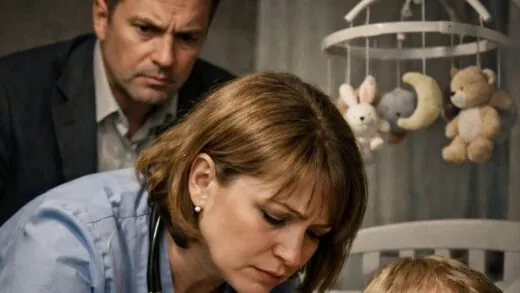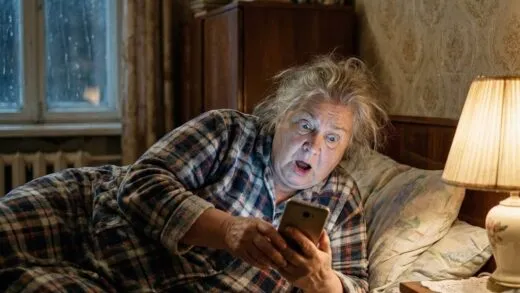

That afternoon two more people came up the trail: Mike Darrin and Joanne Miller. Mike Darrin was broad-shouldered, in his forties, and moved with the careful, deliberate gait of a man learning to live on a prosthetic leg after losing a limb in combat. Joanne was a former medic — compact, sure-handed and quietly competent. She carried a worn medical bag and the kind of look that said she’d seen a lot and couldn’t be easily shocked.
“Heard you had room,” Darrin said, leaning on his cane and offering a wry smile. “Me and Joanne figured it was better to be somewhere warm than out on the road.” Mike thought about it and then made a practical decision: the bunker had space and they could use the company. He took what little county funds he’d managed to secure after the press storm and started making the place livable.
Joanne scrubbed surfaces and organized supplies; Darrin handled tools, installing a small generator and rewiring the lights. Eleanor found a quiet corner and set out a candle by the desk in memory of her grandfather. The bunker began to feel less like a tomb and more like shelter. When Lieutenant Cole drove up with a wooden crate of food and medical supplies, it felt like the community had decided to help more than they’d expected.
“Make it a place for the living, not a monument to the past,” Cole said as he set down the crate. He looked at the new group gathered there and added, “This area needs a safe spot for people who’ve had a rough time.” Mike felt responsibility settle on him in a different way — not the hard command of an operation, but the steady duty of keeping people safe.