
“No,” Gregory said. “He doesn’t want to see me.” Marina didn’t ask how he knew that if he never visited. Gregory handled the adoption papers for Annie three months later.
Marina found out when he brought an envelope of documents and set it on the table. “What’s this?” she asked. She opened it, read, and looked up. “If something happens to me, Annie is my legal heir.”
“The company, the condo, the accounts. Everything.” “Gregory, don’t argue,” he said. “I know exactly what I’m doing. Adam has a condo and disability payments.
He won’t get anything more. Annie needs a future.” Marina held the papers and couldn’t speak. Annie sat on the floor banging stacking rings against the hardwood and babbling “ba-ba-ba,” her first real sound, which could have meant anything, though Gregory insisted every time that it meant “Grandpa” in baby language.
“It’s okay to cry,” he said. “I’m not crying.”
“You are,” he said. “And that’s okay.” He came by one Saturday later than usual, around eight in the evening. Annie was already asleep. Marina was washing dishes.
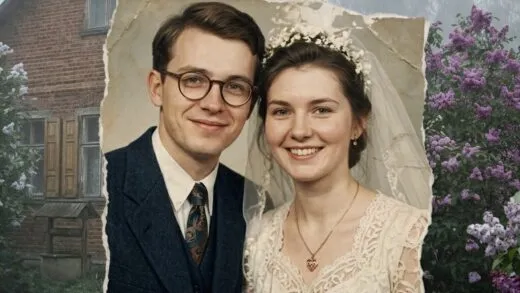
Gregory sat at the table, took an old black-and-white photograph from the inside pocket of his jacket, and laid it in front of her. The corners were bent. In the picture was a young woman: