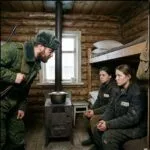
He woke strapped to a chair in a perfectly round room with smooth walls and an even milky light flooding the space. Figures bent over him, performing unsettling procedures, taking samples, and shining colored beams into his eyes. The surreal ordeal, complete with humming devices and clinical gestures, went on for several days.
He was not beaten, but the steady terror of contact with something apparently unknowable was enough to unmoor him. Three days later, he was returned to his own car on the same empty stretch of road. When he came to, the broken old man sincerely believed he had been held by beings not of this world.
He tried to tell colleagues and his wife what had happened, but they only looked away with polite concern. People concluded that grief over his only son had finally broken his mind. Once he became, in the eyes of others, an old man telling wild stories, his credibility collapsed, and the problem was solved without a shot being fired.
But the copied diary pages had already crossed the border and were sitting in a safe in Stockholm. Knowledge of that fact haunted the leader, who feared for his daughter’s memory and for the state’s reputation. In the winter of 1984, gravely ill and dying in a closed government hospital, he still had one concern he could not let go.
Kidney disease was draining his strength, but his mind remained sharp. What worried him most was the foreign archive that could, after his death, inflict lasting damage on his family’s name. In his final days, he ordered his loyal general to retrieve the film copies at any cost so the diary would never be published.
That demand—to prevent disclosure—became both a political instruction and a deeply personal last wish. Soon afterward, he died. The new leaders who followed were preoccupied with reforms and major domestic problems. But inside the secret apparatus, the dead ruler’s order remained a priority that still had to be carried out.
Agents launched a long, complicated intelligence operation to recover the compromising material, one that stretched over several years. They located the journalist, but he had already sent the copies on to the radio service’s central office in Munich. There the documents were locked in a secure archive, while the frightened reporter himself chose to keep a low profile.
Intelligence officers spent years working over station employees with pressure, bribery, and outright blackmail. Success finally came when they managed to recruit a staff member responsible for archive security. The man’s weakness was simple and familiar: large unpaid gambling debts.
He was offered a choice between a rough reckoning from dangerous creditors and a generous payment for a small favor. He chose the money. One night he disabled the alarm system and replaced the incriminating film with harmless material about agriculture. The real evidence was promptly handed to an intelligence officer for return to the country…